Guide
Travel Historic Route 66 with 7 Historic Hotels of America
The story of Route 66 is inseparable from the history of American hotels.
As automobile ownership expanded in the early 20th century, hotels evolved alongside this new mode of travel. Hoteliers developed accommodations and services that offered both comfort and convenience. Grand downtown and railroad hotels began catering to guests arriving by car, while motor courts, roadside inns, and tourist homes emerged along newly built highways.
Route 66's centennial year brings this evolution in American hospitality into focus. While automobile travel transformed the hospitality industry across the United States, Route 66 became increasingly associated with the romance of the open road, making its historic hotels a compelling way to explore that history.
These seven hotels span the length of Route 66, from Chicago to Santa Monica, and illustrate how travelers experienced the Mother Road across different eras. All members of Historic Hotels of America, an official program of the National Trust for Historic Preservation, they steward a century of stories from America's most iconic highway.
-
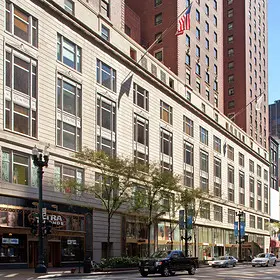
Photo By: Palmer House
Palmer House®, A Hilton Hotel (Chicago, Illinois)
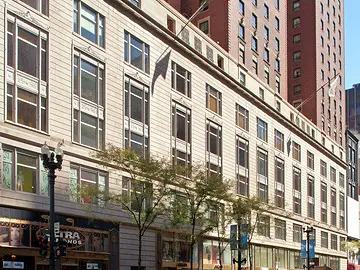
Located just steps from the beloved “Begin Historic Route 66” sign, Palmer House®, A Hilton Hotel offers a starting point for motorists heading west and a final stop for those arriving from California. Established in 1871, the hotel predates Route 66 by more than half a century. Its central Loop location places guests near some of the city's most recognizable landmarks and the route's historic origins, while its grand architecture and beautifully preserved interiors provide a setting for celebrating either end of a Route 66 adventure.
Learn More
-
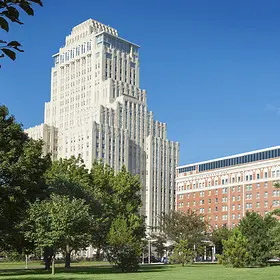
Photo By: Royal Sonesta Chase Park Plaza
The Royal Sonesta Chase Park Plaza St. Louis (St. Louis, Missouri)
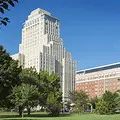
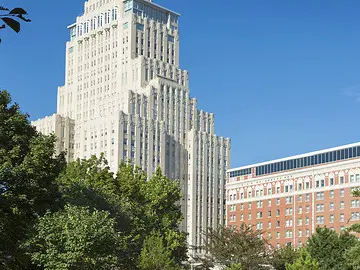
Founded in 1922 near the future crossroads of Route 66 and the Mississippi River, The Royal Sonesta Chase Park Plaza St. Louis has welcomed travelers seeking an upscale Midwestern experience. In its early decades, the hotel's clubs and lounges attracted the who's-who of entertainment, including Perry Como, Lena Horne, Bob Hope, Frank Sinatra, and Sammy Davis Jr., as they toured along the Route 66 corridor and around the country to perform. The hotel continues to serve as an ideal resting place for motorists traveling east-west on Route 66 or north-south on the Great River Road.
Learn More
-
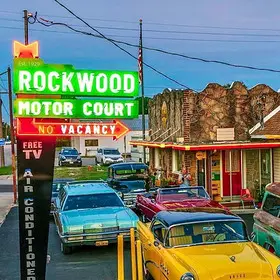
Photo By: Rockwood Motor Court
Rockwood Motor Court (Springfield, Missouri)
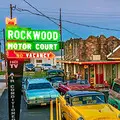
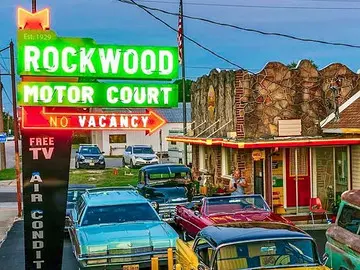
The oldest continuously operating motor court on Historic Route 66, Rockwood Motor Court was built in 1929 to serve America's growing number of automobile travelers. The property introduced conveniences that were innovative for the era, including private garages beside individual guest cabins. Its restored stone cottages, vintage Shell station canopy, retro neon sign, and collection of Route 66 memorabilia evoke the heyday of the American road trip. Staying here feels less like visiting a museum and more like stepping into a living piece of Route 66 history.
Learn More
-
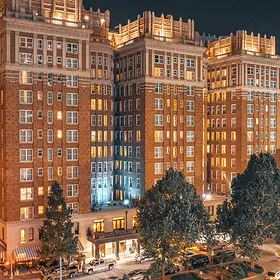
Photo By: Skirvin Hotel
Skirvin, a Hilton Hotel (Oklahoma City, Oklahoma)
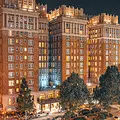
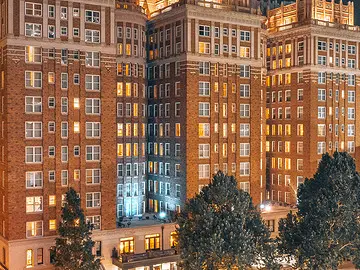
Occupying a prominent place in downtown Oklahoma City since 1911, Skirvin, a Hilton Hotel predates Route 66 by 15 years. As automobile travel grew in popularity, the hotel expanded to meet the changing demands of travelers, nearly doubling in size by 1930. Today, the hotel's restored Art Deco exterior, richly detailed English Gothic interiors, and historic elevators preserve the character and grandeur of the early twentieth century while offering modern comforts for today's travelers. It also provides easy access to Oklahoma City's Route 66 attractions, making it an ideal stop for those exploring the Mother Road.
Learn More
-
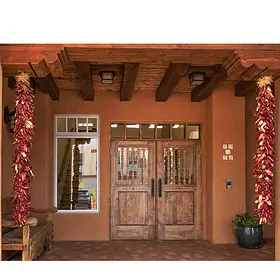
Photo By: Pinion Court
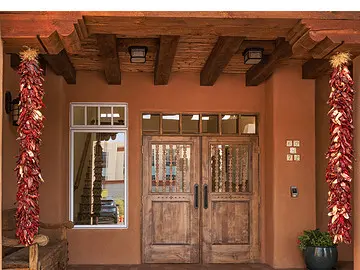
Piñon Court by La Fonda (Santa Fe, New Mexico)
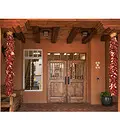
Originally developed in 1930 as a motor court and known as the Galisteo Inn, Piñon Court by La Fonda was purpose-built for motorists traveling through the Southwest on Historic Route 66. It even operated a gas station in its early years for guests arriving by car. That history makes the property an enduring link to America's road-trip heritage in Santa Fe. Today, its preserved character and walkable downtown setting connect travelers with the distinctive sense of place that has drawn visitors to Santa Fe for generations.
Learn More
-
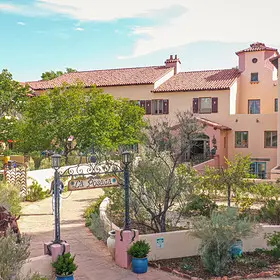
Photo By: La Posada
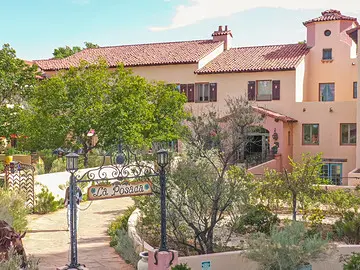
La Posada (Winslow, Arizona)
Opened in 1930 along both Route 66 and the Santa Fe Railway, La Posada brings the histories of rail and road travel together in one of Route 66's best-preserved Southwestern landmarks. Architect Mary E.J. Colter designed the hotel for the Fred Harvey Company, welcoming guests traveling to nearby destinations such as the Painted Desert, Meteor Crater, and the White Mountains. Its grounds included petrified wood fountains, orchards, and even romanticized ruins echoing nearby historic sites, reinforcing Colter's belief that architecture should feel inseparable from its setting.
Learn More
-
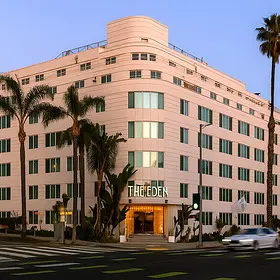
Photo By: The Eden
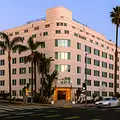
The Eden (Santa Monica, California)
Originally opened in 1940, The Eden welcomed motorists at the end of their cross-country journeys. Perched above the Pacific Ocean in Santa Monica, the Streamline Moderne-style landmark occupies a singular place in road-trip history at the western terminus of Historic Route 66. Its location near Santa Monica Pier, where generations of travelers celebrate reaching the Pacific Ocean, places guests at the intersection of Route 66 and the Pacific Coast Highway. Designed by architect William E. Foster, the hotel's striking architecture embodies the optimism and adventure that made Santa Monica a road-trip destination.
Learn More
This guide was inspired by The2026 Top 25 Historic Hotels of America® Great American Road Trip Hotels List.
Explore more stories about Route 66 on Google Arts & Culture.
By Katherine Orr, director, marketing strategy & communications for Historic Hotels of America and Historic Hotels Worldwide.
Travel Historic Route 66 with 7 Historic Hotels of America
-
1
Palmer House®, A Hilton Hotel (Chicago, Illinois)
Located just steps from the beloved “Begin Historic Route 66” sign, Palmer House®, A Hilton Hotel offers a starting point for motorists heading west and a final stop for those arriving from California. Established in 1871, the hotel predates Route 66 by more than half a century. Its central Loop location places guests near some of the city's most recognizable landmarks and the route's historic origins, while its grand architecture and beautifully preserved interiors provide a setting for celebrating either end of a Route 66 adventure. -
2
The Royal Sonesta Chase Park Plaza St. Louis (St. Louis, Missouri)
Founded in 1922 near the future crossroads of Route 66 and the Mississippi River, The Royal Sonesta Chase Park Plaza St. Louis has welcomed travelers seeking an upscale Midwestern experience. In its early decades, the hotel's clubs and lounges attracted the who's-who of entertainment, including Perry Como, Lena Horne, Bob Hope, Frank Sinatra, and Sammy Davis Jr., as they toured along the Route 66 corridor and around the country to perform. The hotel continues to serve as an ideal resting place for motorists traveling east-west on Route 66 or north-south on the Great River Road. -
3
Rockwood Motor Court (Springfield, Missouri)
The oldest continuously operating motor court on Historic Route 66, Rockwood Motor Court was built in 1929 to serve America's growing number of automobile travelers. The property introduced conveniences that were innovative for the era, including private garages beside individual guest cabins. Its restored stone cottages, vintage Shell station canopy, retro neon sign, and collection of Route 66 memorabilia evoke the heyday of the American road trip. Staying here feels less like visiting a museum and more like stepping into a living piece of Route 66 history. -
4
Skirvin, a Hilton Hotel (Oklahoma City, Oklahoma)
Occupying a prominent place in downtown Oklahoma City since 1911, Skirvin, a Hilton Hotel predates Route 66 by 15 years. As automobile travel grew in popularity, the hotel expanded to meet the changing demands of travelers, nearly doubling in size by 1930. Today, the hotel's restored Art Deco exterior, richly detailed English Gothic interiors, and historic elevators preserve the character and grandeur of the early twentieth century while offering modern comforts for today's travelers. It also provides easy access to Oklahoma City's Route 66 attractions, making it an ideal stop for those exploring the Mother Road. -
5
Piñon Court by La Fonda (Santa Fe, New Mexico)
Originally developed in 1930 as a motor court and known as the Galisteo Inn, Piñon Court by La Fonda was purpose-built for motorists traveling through the Southwest on Historic Route 66. It even operated a gas station in its early years for guests arriving by car. That history makes the property an enduring link to America's road-trip heritage in Santa Fe. Today, its preserved character and walkable downtown setting connect travelers with the distinctive sense of place that has drawn visitors to Santa Fe for generations. -
6
La Posada (Winslow, Arizona)
Opened in 1930 along both Route 66 and the Santa Fe Railway, La Posada brings the histories of rail and road travel together in one of Route 66's best-preserved Southwestern landmarks. Architect Mary E.J. Colter designed the hotel for the Fred Harvey Company, welcoming guests traveling to nearby destinations such as the Painted Desert, Meteor Crater, and the White Mountains. Its grounds included petrified wood fountains, orchards, and even romanticized ruins echoing nearby historic sites, reinforcing Colter's belief that architecture should feel inseparable from its setting. -
7
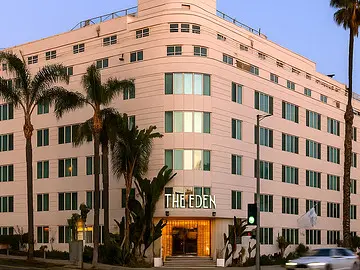
The Eden (Santa Monica, California)
Originally opened in 1940, The Eden welcomed motorists at the end of their cross-country journeys. Perched above the Pacific Ocean in Santa Monica, the Streamline Moderne-style landmark occupies a singular place in road-trip history at the western terminus of Historic Route 66. Its location near Santa Monica Pier, where generations of travelers celebrate reaching the Pacific Ocean, places guests at the intersection of Route 66 and the Pacific Coast Highway. Designed by architect William E. Foster, the hotel's striking architecture embodies the optimism and adventure that made Santa Monica a road-trip destination.
-
1
Palmer House®, A Hilton Hotel (Chicago, Illinois)
Located just steps from the beloved “Begin Historic Route 66” sign, Palmer House®, A Hilton Hotel offers a starting point for motorists heading west and a final stop for those arriving from California. Established in 1871, the hotel predates Route 66 by more than half a century. Its central Loop location places guests near some of the city's most recognizable landmarks and the route's historic origins, while its grand architecture and beautifully preserved interiors provide a setting for celebrating either end of a Route 66 adventure. -
2
The Royal Sonesta Chase Park Plaza St. Louis (St. Louis, Missouri)
Founded in 1922 near the future crossroads of Route 66 and the Mississippi River, The Royal Sonesta Chase Park Plaza St. Louis has welcomed travelers seeking an upscale Midwestern experience. In its early decades, the hotel's clubs and lounges attracted the who's-who of entertainment, including Perry Como, Lena Horne, Bob Hope, Frank Sinatra, and Sammy Davis Jr., as they toured along the Route 66 corridor and around the country to perform. The hotel continues to serve as an ideal resting place for motorists traveling east-west on Route 66 or north-south on the Great River Road. -
3
Rockwood Motor Court (Springfield, Missouri)
The oldest continuously operating motor court on Historic Route 66, Rockwood Motor Court was built in 1929 to serve America's growing number of automobile travelers. The property introduced conveniences that were innovative for the era, including private garages beside individual guest cabins. Its restored stone cottages, vintage Shell station canopy, retro neon sign, and collection of Route 66 memorabilia evoke the heyday of the American road trip. Staying here feels less like visiting a museum and more like stepping into a living piece of Route 66 history. -
4
Skirvin, a Hilton Hotel (Oklahoma City, Oklahoma)
Occupying a prominent place in downtown Oklahoma City since 1911, Skirvin, a Hilton Hotel predates Route 66 by 15 years. As automobile travel grew in popularity, the hotel expanded to meet the changing demands of travelers, nearly doubling in size by 1930. Today, the hotel's restored Art Deco exterior, richly detailed English Gothic interiors, and historic elevators preserve the character and grandeur of the early twentieth century while offering modern comforts for today's travelers. It also provides easy access to Oklahoma City's Route 66 attractions, making it an ideal stop for those exploring the Mother Road. -
5
Piñon Court by La Fonda (Santa Fe, New Mexico)
Originally developed in 1930 as a motor court and known as the Galisteo Inn, Piñon Court by La Fonda was purpose-built for motorists traveling through the Southwest on Historic Route 66. It even operated a gas station in its early years for guests arriving by car. That history makes the property an enduring link to America's road-trip heritage in Santa Fe. Today, its preserved character and walkable downtown setting connect travelers with the distinctive sense of place that has drawn visitors to Santa Fe for generations. -
6
La Posada (Winslow, Arizona)
Opened in 1930 along both Route 66 and the Santa Fe Railway, La Posada brings the histories of rail and road travel together in one of Route 66's best-preserved Southwestern landmarks. Architect Mary E.J. Colter designed the hotel for the Fred Harvey Company, welcoming guests traveling to nearby destinations such as the Painted Desert, Meteor Crater, and the White Mountains. Its grounds included petrified wood fountains, orchards, and even romanticized ruins echoing nearby historic sites, reinforcing Colter's belief that architecture should feel inseparable from its setting. -
7
The Eden (Santa Monica, California)
Originally opened in 1940, The Eden welcomed motorists at the end of their cross-country journeys. Perched above the Pacific Ocean in Santa Monica, the Streamline Moderne-style landmark occupies a singular place in road-trip history at the western terminus of Historic Route 66. Its location near Santa Monica Pier, where generations of travelers celebrate reaching the Pacific Ocean, places guests at the intersection of Route 66 and the Pacific Coast Highway. Designed by architect William E. Foster, the hotel's striking architecture embodies the optimism and adventure that made Santa Monica a road-trip destination.