Section 106 and Permitting Reform
-
Tell Your Senators: Protect Community Voices and Historic Places
A permitting reform bill now moving through the Senate (S. 5653) would make optional most community consultation for federally funded projects by limiting the role of Section 106.
Send Letters
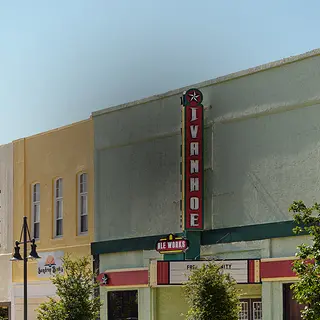
Since 1966, the National Historic Preservation Act (NHPA) has helped save Main Streets, neighborhoods, landmarks, battlefields and sacred places across the country. At its heart is a simple promise. Before the federal government builds, funds or approves a project, it must consider what could be lost and listen to the people who live there. A permitting bill in the Senate, the Bipartisan American Affordability and Jobs Act (BAAJA/S. 5653), will weaken it.
Our history is under threat.
A vote on the Bipartisan American Affordability and Jobs Act is expected in early November. The National Trust supports the bill's long-term authorization of the Historic Preservation Fund and the goal of more predictable permitting. We do not accept efficiency bought by narrowing the public's voice.
The National Trust supports faster, more predictable permitting. But as written, BAAJA would weaken the National Historic Preservation Act by:
- Exempting many federally funded projects from review altogether, including highways, bridges and other construction in our communities
- Ignoring harm that doesn’t involve a bulldozer, like a highway overpass looming over a historic district or constant noise near a sacred site
- Letting federal agencies decide on their own that preservation doesn’t matter, with less accountability and less recourse in court
We can build faster without erasing our history or shutting out the communities who live with the results.

Oppose the Bipartisan American Affordability and Jobs Act
Tell your senators to fix the provisions limiting the role of Section 106 before this bill advances.
Historic Preservation Defense Fund
Through the Historic Preservation Defense Fund, the National Trust works to provide foundational investment and support for a united preservation movement and a shared defense against current and emerging threats, such as those against the National Historic Preservation Act. The HPDF provides resources for legal defense, public advocacy, and community action where and when historic places and the laws that protect them are under threat. Learn more about the HPDF and ways you can get involved.