President's Note: Our Shared American Story
Historic preservation is centered around a simple truth—places matter because people matter. You do not have to be an architect, historian, or preservationist to understand the power of place. Every one of us carries memories tied to a home or neighborhood, a church, park, or a main street—places that shape our sense of identity and belonging and help us imagine the future we hope to build together.
As I begin my tenure as the National Trust for Historic Preservation’s 11th president and CEO—after more than 20 years with the organization—I believe deeply that preservation must continue expanding its reach, its stories, and its impact. Preservation must benefit all Americans as a tool for civic and cultural engagement, economic empowerment, and reconciliation. It is the National Trust’s obligation to ensure that every American sees themselves reflected in the places we protect and the histories we tell.
For too long, many of the sites that embody Black history and the histories of other underrepresented communities have been overlooked, underfunded, or excluded from our broader understanding of American heritage. Yet when we widen the lens of preservation, we do not diminish our national story—we enrich it. We create opportunities for discovery, dialogue, and deeper understanding across communities and generations.
In 2017, when I worked with National Trust leadership to launch the African American Cultural Heritage Action Fund, the goal was to optimize those opportunities. Since then, the Action Fund has supported over 400 grant projects, from historic theaters and Masonic temples to community centers and university buildings. These places tell the stories not only of Black communities, but of Americans from all walks of life coming together to create art, socialize, learn, and advocate alongside one another.
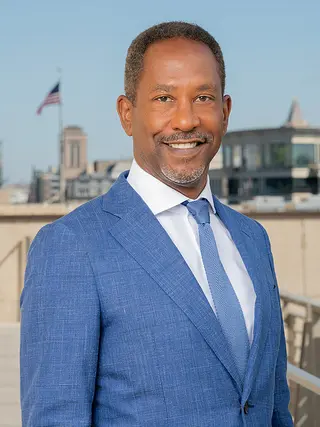
National Trust President and CEO Brent Leggs
Across the National Trust’s programs and historic sites, we’ve proven that people engage with preservation when they see their own experiences, traditions, and aspirations reflected in the work.
When historic places are activated and shared, they help create a more connected and inspired society by strengthening communities, supporting sustainability, stimulating economic renewal, and fostering belonging. This issue of Preservation features a Q&A with Candace Calloway, executive director of the Detroit Association of Women’s Clubs. The group’s clubhouse is on our list of America’s 11 Most Endangered Historic Places for 2026, and as the interview with Calloway reminds us, the American story has always been shaped by diverse communities, evolving traditions, and the places where people come together.
As we commemorate America’s 250th anniversary, we should celebrate both the places that embody our shared history and the people who have safeguarded them through activism, advocacy, activation, and restoration. America’s commitment to preserving history of shared meaning has evolved alongside the nation itself. The next chapter of preservation depends on our nation’s willingness to embrace the full richness of the American story—and to invite more people into the work of protecting it.