African American Cultural Heritage Action Fund Awards $3M in Grants to 27 Historic Sites
This year, the African American Cultural Heritage Action Fund at the National Trust for Historic Preservation is awarding $3 million in grants to support 27 sites across the country that represent Black American joy, resilience, innovation, and activism.
The Action Fund’s National Grant Program is awarding $2.26 million to 22 sites and is made possible through support from the Freedom Together Foundation, the Robert D.L. Gardiner Foundation, and the Andrew W. Mellon Foundation.
Additionally, this year's announcement includes the fourth round of Conserving Black Modernism grants, an initiative designed to protect and promote the work of African American architects. Five sites will receive a total of $750,000 in preservation funding through the Action Fund's partnership with the J. Paul Getty Foundation.
Read the full list of this year's grantees below. To explore hundreds of sites of Black history supported by the Action Fund to date, and how they represent themes across architecture, civil rights, education, descendant communities, and more, visit the Action Fund's interactive StoryMap.
Explore the Impact of the Action Fund's Grant Programs

Learn more about all the historic sites in the Action Fund's portfolio through this interactive StoryMap.
National Grant Program
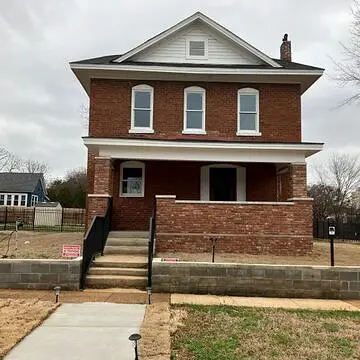
Decatur Scottsboro Boys Civil Rights Museum and the Judge James E. Horton Jr. Legal Learning Center
CEOTA, Inc. | Decatur, Alabama
The Decatur Scottsboro Boys Civil Rights Museum and the Judge James E. Horton Jr. Legal Learning Center are anchors of the Alabama Civil Rights Trail. The museum building, constructed circa 1920, is a site involved in the trial of Haywood Patterson, Olen Montgomery, Clarence Norris, Willie Roberson, Andy Wright, Ozzie Powell, Eugene Williams, Charley Weems and Roy Wright, a.k.a. the Scottsboro Boys. The Legal Learning Center is housed in Judge Horton’s historic home. Judge Horton, despite racial tension and public pressure, ruled to set aside the death penalty conviction in the case and demanded a new trial. Grant funding will support exhibition creation and interpretation efforts.
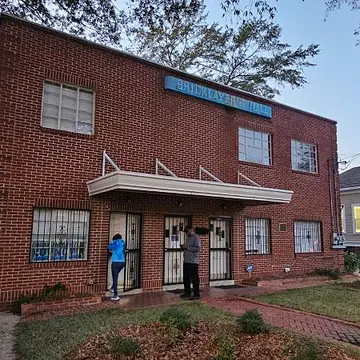
Bricklayers Hall
GirlTREK | Montgomery, Alabama
Built in 1954 by the local Black bricklayers' union, Bricklayers Hall served as the Montgomery Improvement Association’s (MIA) headquarters from 1956 to 1960. MIA gained national significance for its instrumental role in the 381-day Montgomery Bus Boycott led by Rev. Dr. Martin Luther King Jr. The building was added to the National Register of Historic Places in 2020. Grant funding will support developing Bricklayers Hall into a community gathering space where health and healing honor MIA’s civil rights legacy.
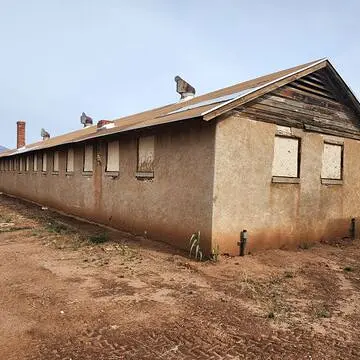
Camp Naco
Naco Heritage Alliance | Naco, Arizona
Building A4 in Camp Naco once housed the segregated and exclusively Black 9th and 10th Cavalry and the 24th and 25th Infantry U.S. military regiments, collectively known as the Buffalo Soldiers. The Buffalo Soldiers were stationed in Camp Naco’s harsh desert conditions to provide infrastructure installation, border security, and other peacekeeping duties. In 2022, the National Trust for Historic Preservation listed Camp Naco as one of America’s 11 Most Endangered Historic Places. Grant funding will support critical rehabilitation efforts for Building A4, transforming it into a flexible, multi-use space for the Naco Heritage Alliance (NHA) and partners.

Bay Street Beach Historical District Signage
Santa Monica Cultural Affairs Division | Santa Monica, California
The Bay Street Beach Historical District was a safe space for Black Los Angeles residents from 1908-1965. During segregation, the district thrived as a place where Black people could enjoy beachside recreation and leisure. Grant funding will support the design and installation of four large interpretive signs highlighting African American beach culture and lived experiences in the Santa Monica Bay area.
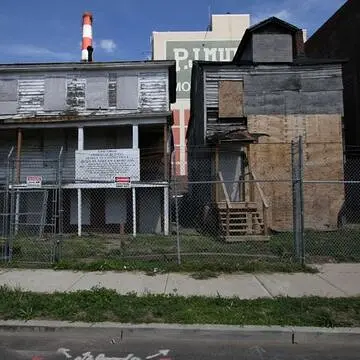
The Eliza Freeman House
The Mary and Eliza Freeman Center for History and Community Inc. | Bridgeport, Connecticut
The Eliza Freeman House, home to accomplished Black businesswoman Eliza Freeman, was completed in the late 1840s. It is situated in what was once “Little Liberia,” an independently-established settlement for Black and Indigenous people. Little Liberia established Bridgeport’s first free lending library, a school for children of color, churches, fraternal organizations, and several businesses. Today, the Eliza Freeman House is one of three remaining Little Liberia settlement structures. Grant funding will support the home’s structural stabilization and exterior rehabilitation. In 2018, the Mary and Eliza Freeman Houses were included on the National Trust's list of America's 11 Most Endangered Historic Places.
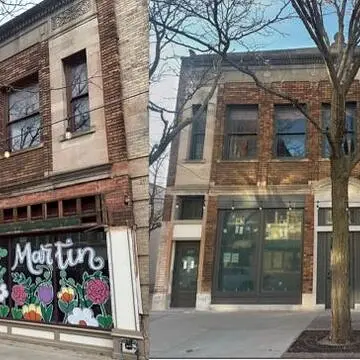
Martin Flats on Fourth Project
24/7 Blac | Waterloo, Iowa
During the Jim Crow era, the Waterloo, Cedar Falls & Northern Railroad (WCF&N) train terminal was a safe space for Black travelers and Black Waterloo residents as it housed the city’s only non-segregated concession space and grocery store. The building and the surrounding East Fourth Street district became an epicenter of Black community life and civic engagement in Waterloo. The building is currently being redeveloped as Martin Flats on Fourth, in recognition of Dr. Martin Luther King Jr. visit to Waterloo in 1959 and its contribution to Black community building and civil rights advancement. Grant funding will support converting vacant space within the historic building into workforce housing for traveling healthcare professionals serving Iowa’s rural and minority communities.
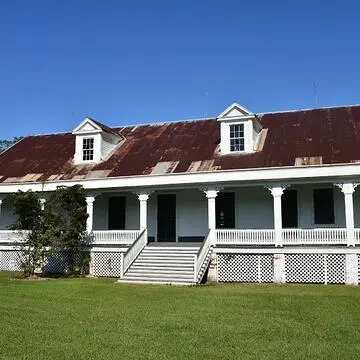
Woodland Plantation Museum
The Descendants Project, Inc. | LaPlace, Louisiana
On the night of January 8, 1811, one of the largest revolts by enslaved people in the United States began on the grounds of Woodland Plantation. Over 500 enslaved people from Woodland and neighboring plantations marched towards New Orleans resulting in a bloody combat with local militia and execution of the surviving revolutionaries to intimidate enslaved people from making future self-emancipation efforts. Woodland is also noted for its Creole influenced architecture, constructed by enslaved craftsman, and as the birthplace of jazz pioneer Edward “Kid” Ory whose musical innovations shaped early New Orleans jazz and launched the careers of legends like Louis Armstrong. Grant funding will support urgent structural stabilization of the c.1810 plantation house now operated as the Woodland Plantation Museum.
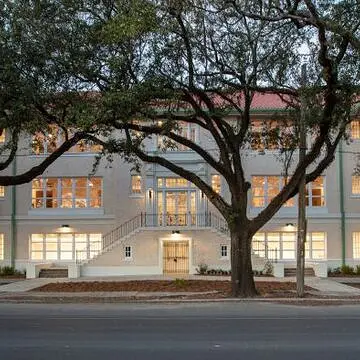
McDonogh 19 Elementary School - Tate, Etienne & Prevost Interpretive Center
Leona Tate Foundation for Change Inc., New Orleans, Louisiana
On November 4, 1960, McDonogh 19 Elementary School was integrated by three African American children Leona Tate, Tessie Prevost, and Gail Etienne. Decades later, Leona Tate purchased the building, saving it from demolition. The Leona Tate Foundation for Change Inc. has transformed it into the Tate, Etienne & Prevost Interpretive Center (TEP Center), whose mission is to provide space for civil rights education, community, and affordable housing. Grant funding will support the foundation’s ability to hire its first full-time Chief Operating Officer to ensure the long-term sustainability of the TEP Center to steward its civil rights history guided by the legacy of Leona Tate.
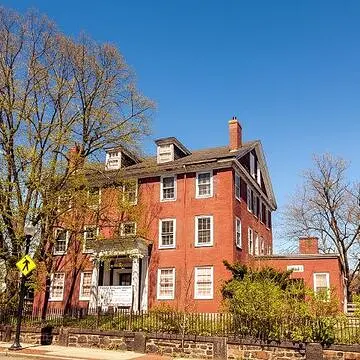
St. John - St. James Episcopal Church Complex
Historic Boston Inc. | Boston, Massachusetts
St. John - St. James Episcopal Church formed in 1968 from the merger of two historically Black congregations. The newly-combined church subsequently purchased the historic Ionic Hall (1803) and the adjacent St. Luke’s Chapel (1901) in Boston’s Roxbury neighborhood. The historic church complex became a center for social justice, civil rights, and community advocacy. Grant funding will support a comprehensive feasibility study that will provide a roadmap to prepare the historic complex to become a community hub that will engage parishioners and neighbors.
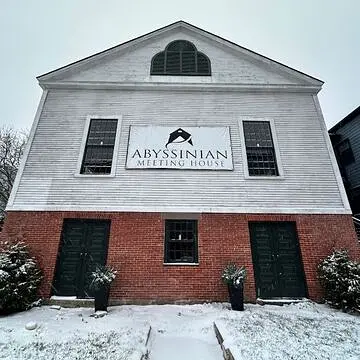
The Abyssinian Meeting House
Committee to Restore the Abyssinian Meeting House | Portland, Maine
Established in 1828, the Abyssinian Meeting House was created by free Black residents who grew tired of being discriminated against in Portland’s predominantly white religious spaces. For nearly a century, the meeting house served as a worship center, school for Black children, and a community and performance space. Following its closure in in 1917, it was turned into residential housing before being purchased by the Committee to Restore the Abyssinian Meeting House in 1998. Grant funding will support continued preservation of the Abyssinian Meeting House and improved ADA accessibility for visitors. The Abyssinian Meeting House was included on the National Trust's list of America's 11 Most Endangered Historic Places in 2013.
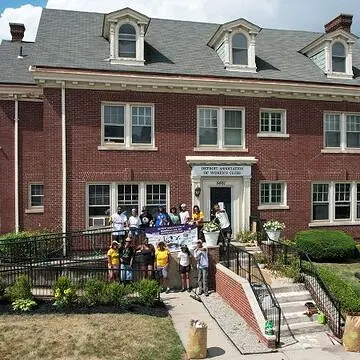
Detroit Association of Women's Clubs Building
Detroit Association of Women's Clubs, Inc. | Detroit, Michigan
Founded in 1921 by Dr. Rosa Lee Slade-Gragg, the Detroit Association of Women’s Clubs (DAWC) was one of the first Black organizations in Detroit to own their headquarters building, originally constructed in 1913 and later purchased by the DAWC in 1941 as a space where association members could gather and work together towards achieving the as-yet-unfulfilled vision of equality for women and Black Americans. In 2024, burst water pipes caused damage to the interior and led to closure of the building. In 2026 it was listed on the National Trust for Historic Preservation’s 11 Most Endangered Historic Places in America in 2026. Grant funding will support urgent repairs allowing it to reopen safely.
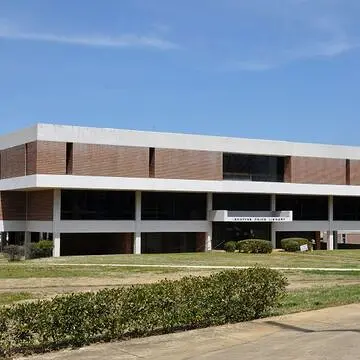
Leontyne Price Library
Rust College | Holly Springs, Mississippi
Established in 1866, Rust College is the oldest Historically Black College or University (HBCU) in Mississippi and is one of the oldest HBCUs in the nation. The Leontyne Price Library, completed in 1970 and named after Mississippi native and internationally renowned opera singer Mary Violet Leontyne Price, is an almost entirely intact example of Midcentury Modern architecture. The library also houses the Roy Wilkins Collection. Wilkins was the executive secretary and executive director of the National Association for Colored People (NAACP) for 22 years. Grant funding will support critical repairs to the library’s exterior and building systems.
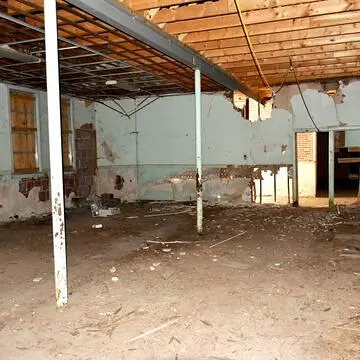
Drew Rosenwald School
City of Drew | Drew, Mississippi
The Drew Rosenwald School was built in 1929 as part of the Washington-Rosenwald School program, established by Booker T. Washington and Julius Rosenwald, which sought to provide Black children with access to public education in the South. In 1954, after Brown v. Board of Education required the integration of public schools, the white community of Drew defied the Supreme Court’s decision and constructed a cafeteria at Drew Rosenwald School in hopes that creating an “equal” facility would prevent its integration with local white schools. Grant funding will support the rehabilitation of the heavily deteriorated cafeteria building, which will serve as a meeting and interpretive place for visitors traveling to the nearby Emmett Till and Mamie Till Mobley National Monument sites and other civil rights sites in Drew. Rosenwald Schools were included on the 2002 list of America’s 11 Most Endangered Historic Places.
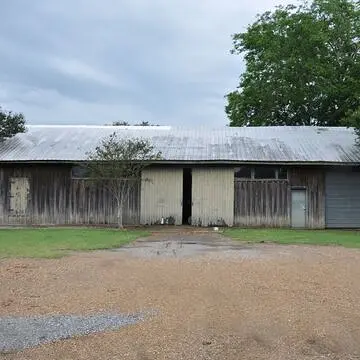
Seed Barn, Milam Plantation
Emmett Till Interpretive Center, Inc. | Drew, Mississippi
On August 28, 1955, 14-year-old Emmett Till was brutally tortured and murdered by white men in a Mississippi barn. Till’s murder and open casket funeral rocked the nation and spurred the Civil Rights Movement. In 2025 the Emmett Till Interpretive Center purchased the barn to preserve it as a site of interpretation and memorialization. Grant funding will support stabilization and restoration to its 1955 appearance.

Dr. Jane Ellen McAllister Home
Dr. Jane Ellen McAllister House Museum Foundation Inc. | Vicksburg, Mississippi
In 1929, Dr. Jane Ellen McAllister became the first Black woman to earn a Ph.D. in Education from Columbia University. Dr. McAllister taught generations of Black students , teachers, and expanded educational access throughout the Deep South. Her home, built in 1911, retains much of its original interior integrity and provides a look into Black domestic life from the 1910s-1950s. Grant funding will support a Historic Structure Report, schematic design, 3D laser scanning, measured drawings, and the preparation of a National Register of Historic Places nomination.
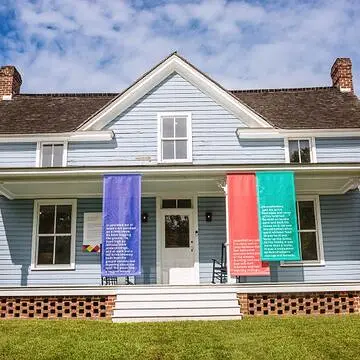
Pauli Murray Center for History and Social Justice
Durham, North Carolina
Rev. Dr. Pauli Murray, born in 1910, was a lawyer, civil rights activist, author, legal scholar, poet, ordained Episcopal priest, and gender-fluid person. Among their many accomplishments, Murray's 1951 book, States’ Laws on Race and Color was described by Supreme Court Justice Thurgood Marshall as the “Bible” for civil rights litigators. Murray’s childhood home is stewarded by the Pauli Murray Center for History and Social Justice. Grant funding will support the center’s impactful community programming.
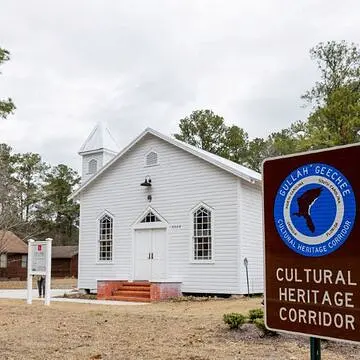
Gullah Geechee Cultural Heritage Corridor
North Carolina, South Carolina, Georgia & Florida
The Gullah Geechee Cultural Heritage Corridor is a National Heritage Area covering 12,000 miles and contains 437 distinct coastal communities. Established by the U.S. Congress in 2006, the Corridor recognizes the unique culture of the Gullah Geechee people who have traditionally resided in the coastal areas and the sea islands of North Carolina, South Carolina, Georgia and Florida. Gullah Geechee people are the descendants of West and Central Africans who were enslaved and brought to North and South Carolina, Florida, and Georgia to work on coastal rice, cotton, and indigo plantations. Grant funding will support the Gullah Geechee Cultural Heritage Corridor’s hiring of a preservation director who will be instrumental in creating the infrastructure needed to preserve the corridor’s cultural heritage and lands. The Gullah Geechee Coast was included on the 2004 list of America’s 11 Most Endangered Historic Places.
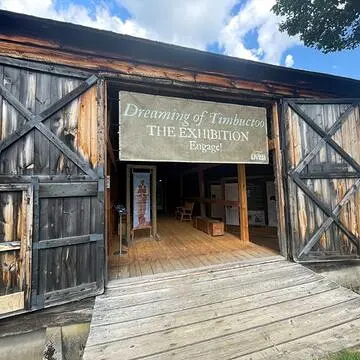
John Brown Farm State Historic Site
John Brown Lives! | Lake Placid, New York
Timbuctoo was a free Black settlement established in Lake Placid in 1846 as a part of abolitionist Gerrit Smith’s efforts to help Black men gain the right to vote in New York. To bolster their efforts, farmer and abolitionist John Brown moved his family nearby to help the Black settlers build their farms. Grant funding will support the creation of an interactive documentary that brings the John Brown Farm State Historic Site to life and support a collaborative interpretive process with scholars, educators, artists, and Timbuctoo community descendants.
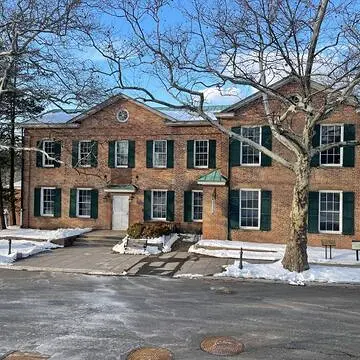
Guyon-Lake-Tysen House and County Clerk and Surrogate’s Office
Historic Richmond Town, Inc | Staten Island, New York
Guyon-Lake-Tysen House, built in 1740, was owned by at least two men who appear in the Richmond County Clerk’s records as enslavers of children who would be emancipated under New York’s 1799 gradual abolition law. Historic Richmond Town’s Historical Museum, built in 1848 and formerly the Richmond County Clerk’s office, housed records for the 1799 “Act for the Gradual Abolition of Slavery” which documented the births of children born to enslaved mothers after July 4, 1799, as these children would be emancipated under the law. Grant funding will support the development of an exhibition and interpretive programming for the NY State Abolition Bicentennial in 2027.
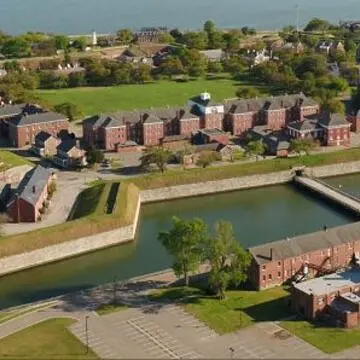
Fort Monroe
Fort Monroe Foundation | Fort Monroe, Virginia
The first documented enslaved Africans brought to English North America arrived at Point Comfort, present-day Fort Monroe, in 1619. Over 200 years later, Fort Monroe was the site of the Contraband Decision, which determined that enslaved people seeking freedom during the Civil War would not be returned to their enslavers. Grant funding will support the hiring of a full-time Executive Director at the Fort Monroe Foundation that will ensure African American history at the site is protected, funded, and stewarded for future generations.
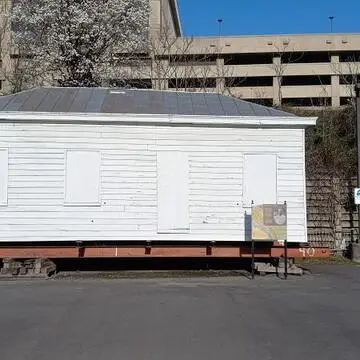
The Shockoe Project
Shockoe Legacy Foundation | Richmond, Virginia
Members of the Shockoe Legacy Foundation have worked with the City of Richmond and community activists to identify and preserve antebellum sites that tell the hidden story of Richmond’s role in the Downriver Slave Trade. Shockoe Valley is thought to be one of the primary suppliers of enslaved Black people to the Deep South between 1830-1865. Grant funding will support the Shockoe Legacy Foundation’s hiring of a CEO to provide strategic leadership as the foundation prepares to open an outdoor heritage landscape and launch a capital campaign for the construction of a National Slavery Museum. Shockoe Bottom was included on the 2014 list of America’s 11 Most Endangered Historic Places.
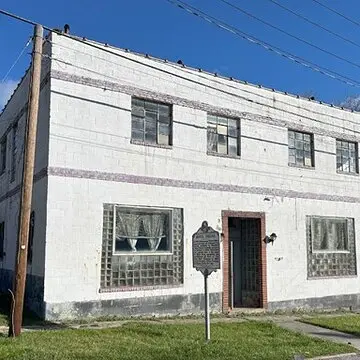
Thelma’s Cafe
Bluefield Arts and Revitalization Corporation | Bluefield, West Virginia
Thelma Stone opened Hotel Thelma in 1949, and it became a haven for Bluefield’s Black residents during the era of Jim Crow. The hotel’s listing in the Negro Motorist Green Book highlighted it as a safe place for Black travelers to stay in the heavily segregated Appalachia region. Iconic performers Etta James, Sam Cooke, Little Richard, and Tina Turner were some of Hotel Thelma’s guests. The Bluefield Arts and Revitalization Corporation is using historic tax credits to convert the hotel space into affordable senior housing. Grant funding will support the rehabilitation of the commercial space formerly occupied by the hotel’s Thelma's Cafe.
Conserving Black Modernism
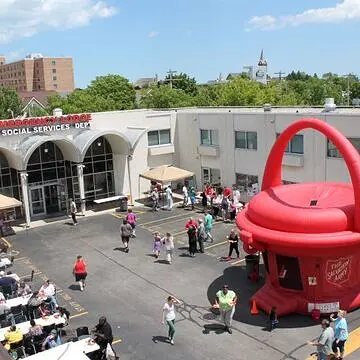
Central City Plaza
The Salvation Army USA | Milwaukee, Wisconsin
Completed in 1973, the Central City Plaza was designed by Alonzo Robinson Jr., Wisconsin’s first licensed Black architect. The Plaza, consisting of three separate buildings, was a Black-owned and -operated shopping center which aimed to build economic resiliency in an area severely impacted by Urban Renewal. The Salvation Army leased and then acquired the former motel building of the complex in 1983. The motel building’s arched porticos and fluted concrete panels reflect the New Formalist style. The Salvation Army utilizes the space for faith-motivated humanitarian work, including 24/7 emergency housing, meals, and support services. Grant funding will support preservation planning through a Historic Structures Report and related studies to guide the rehabilitation and adaptive reuse of the Salvation Army's existing Emergency Lodge, expanding critical shelter and support services.
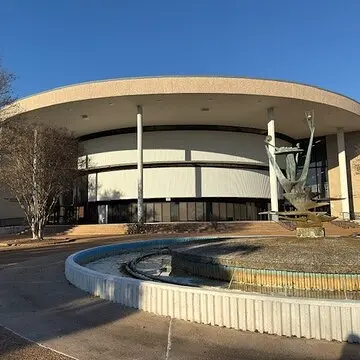
Martin Luther King Jr. Humanities Center
Texas Southern University Foundation | Houston, Texas
Designed by John Saunders Chase, Jr. and completed in 1969, the Martin Luther King Jr. Humanities Center is the long-standing home of Texas Southern University's School of Communications. Chase, Jr. was Texas’ first licensed Black architect, one of the founders of the National Organization of Minority Architects, and the first Black American to serve on the U.S. Commission of Fine Arts. The Humanities Center building features a distinctive cylindrical form with two extended wings, and its plaza fountain contains the sculpture African Queen Mother by Caroll Harris Simms. Grant funding will support the development of a Historic Structures Report documenting the building's historical significance, existing conditions, and preservation priorities, including an assessment of foundation and building envelope vulnerabilities.

Park Johnson Hall
Fisk University | Nashville, Tennessee
Park-Johnson Hall, located in the Fisk University Historic District and built in 1954, is a three-story brick and glass modernist building, housing classrooms, a lecture hall, and offices designed by Moses McKissack III and his firm, McKissack & McKissack, the oldest Black-owned architecture firm in the United States. Grant funding will support the development of a Comprehensive Conservation and Management Plan for Park Johnson Hall, including building documentation that situates the building within the broader portfolio of McKissack & McKissack's architectural contributions to Fisk University's campus.
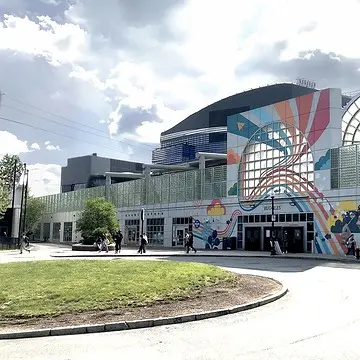
Southwest Corridor Project
Northeastern University | Boston, Massachusetts
The Southwest Corridor Project, including the Metro Boston Transit Authority (MBTA)’s Ruggles Station, was built on land initially cleared for the 1-95 Southwest Expressway. After community activism successfully cancelled the highway’s construction in 1969, Black-led architecture firm Stull & Lee, Inc. (S+L) led the planning for the extension of MBTA’s Orange Line and a 52-acre park along its route. S+L was established by the late Donald L. Stull, an Black pioneer in the field of architecture and M. David Lee in 1966. The Southwest Corridor Project prioritized community participation and included recreational facilities, community gardens, and paths connecting to other Boston parks. Ruggles Station, opened in 1987 with an iconic barrel vault roof with sunburst windows and cast-in-place concrete featuring art by local artists. Grant funding will support Northeastern University's preparation of a historical documentation study of significant Stull and Lee projects along the Southwest Corridor through archival research, photography, LiDAR documentation, and engagement with S+L founder architect M. David Lee.
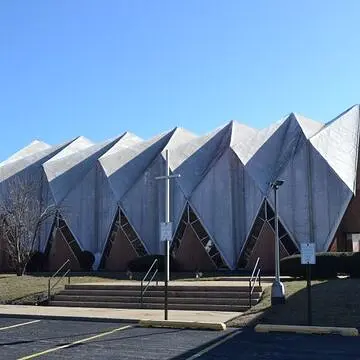
St. Mark AME Zion Church
East Chicago, Indiana
Completed in 1973, St. Mark AME Zion Church was designed to evoke interlocked praying hands with a multi-planed triangular roof and ribbon windows. Designed by Wendell Campbell, a co-founder and the first president of the National Organization of Minority Architects, the church is an example of Modernist and Neo Expressionist religious architecture. Grant funding will support the development of a Conservation Management Plan that documents existing conditions, establishes preservation priorities, and provides recommendations to guide future phased rehabilitation.
Sign up for emails to stay connected with the National Trust and our ongoing work to protect and restore the places Black history happened.