6 Historic Black Theaters at the Heart of Entertainment
There’s nothing like a night at the theater and for generations Black audience members have loved supporting arts and culture.
However, Black people in the United States have historically faced various forms of discrimination when pursuing the arts, whether as eager audience members or gifted performers. While African Americans have long appreciated plays, musicals, stand-up comedy, and live concert performances, their presence on and off stage has not always been historically welcomed inside white-owned cultural spaces and theaters. This often meant Black audience members were relegated to segregated seating areas or were not allowed inside at all.
For those who were on stage, Black artists and performers were not always welcomed to showcase their talents or were relegated to smaller parts or time slots. But this didn’t stop them from excelling in the arts just the same. Instead, they decided to create theaters of their own that allowed freedom of expression and appreciated the value of the full community’s dollars supporting the arts.
The African American Cultural Heritage Action Fund at the National Trust for Historic Preservation has provided support to help with restoration and preservation efforts at these sites. Keep reading to learn more about historic Black theaters across the country that have been at the center of American theater and entertainment history.
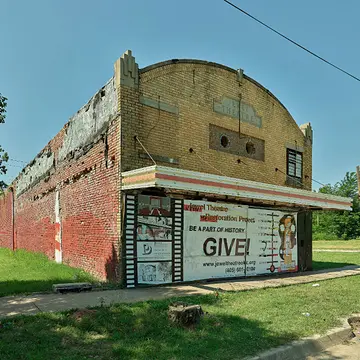
Jewel Theater
Oklahoma City, Oklahoma
The Jewel Theater was owned and constructed by Hathyel L. James and Percy H. James in July 1931 and named after their daughter, Jewel. While the building closed in the 1960s, it is still standing as the only Black-founded and owned theater in Oklahoma City that has survived.
The theater was especially significant for being “the heart of entertainment” for Black patrons to see movies and concerts, particularly during the height of segregation, when there were predominantly white theaters. The Jewel allowed them to sit anywhere without assigned sections. In 2025, the Action Fund provided funding through its National Grant Program to support the stabilization and restoration of the theater’s exterior.
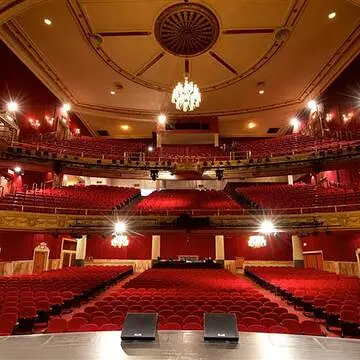
Apollo Theater
Harlem, New York
Harlem’s historic Apollo Theater was designed by George Keister and first owned by Sidney Cohen in 1914. For decades, the theater hosted burlesque shows up until 1934 when there was a shift to focus on Black performers and audience members. The theater is historically significant for giving space for Black artists including Duke Ellington, Aretha Franklin, Billie Holiday, Prince, and others to be celebrated.
The theater is currently undergoing a comprehensive, $64.5 million restoration. In 2025, the Action Fund provided funding to assist with restoring the theater’s signature marquee, expand the lobby, improve the sound system, HVAC, and lighting. The grant built on efforts from the National Trust Community Investment Corporation to help the theater secure millions of dollars in public tax credits and philanthropic funding for the project.
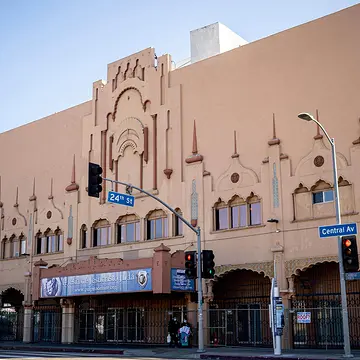
Lincoln Theatre
Los Angeles, California
The Lincoln Theatre opened in 1927 and was at the time considered the “West Coast Apollo” due to the caliber and fame of Black artists who performed there and its 2,100 seating capacity. The building is also significant for its prime location on Central Ave, a major corridor for Black businesses and cultural entertainment in south Los Angeles. While the theater had top notch performances and attendance in its prime, today, the building is used for religious services. In 2023, the Action Fund awarded the theater a grant to support restoration efforts.
Stay connected with us via email. Sign up today.
Karamu House
Cleveland, Ohio
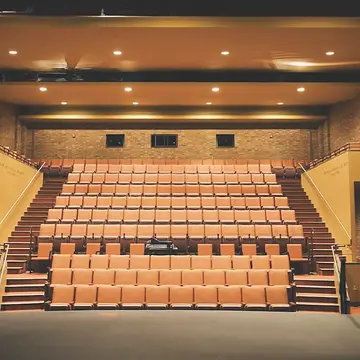
Karamu House is historically significant for its role in spearheading interracial theater performances, as well as championing the Harlem Renaissance poet and playwright Langston Hughes’ works. Originally founded by a local neighborhood association, the group bought a local theater in 1927 and named it "Karamu," Swahili for "a place of joyful meeting.”
In 2021, the Action Fund awarded the organization a grant to support efforts to restore Hughes’ apartment residence at the site.
National Negro Opera House
Pittsburgh, Pennsylvania
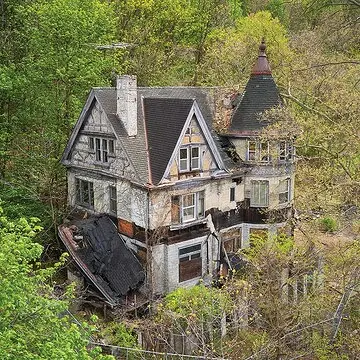
The National Negro Opera House was founded in 1941 by Mary Cardwell Dawson. Dawson rented the third floor of the house as an office and rehearsal space for the National Negro Opera Company, the first Black-owned opera company in the nation. Opera singers with the company traveled the country performing shows like Aida and La Traviata. The Action Fund provided funding in 2021 which went toward developing a feasibility study and business plan to revive operations.
Ira Aldridge Theatre
Washington, D.C.
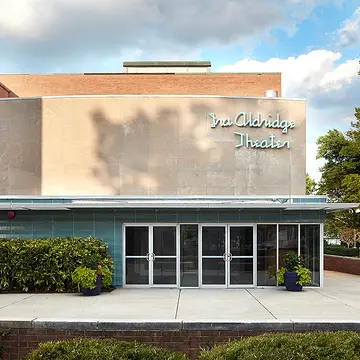
The Ira Aldridge Theater is named for the famed 19th century African American actor, Ira Frederick Aldridge, who was best known for his international performances in Shakespearean plays. The theater was designed by acclaimed Black architects Hilyard Robinson and Paul R. Williams, and completed in 1961 as part of Howard University’s campus in Washington DC. Funding from the Action Fund’s Conserving Black Modernism initiative is supporting a historic structures report and an interpretation plan for the theater.