Section 106 Under Threat
The Advisory Council on Historic Preservation (ACHP) is advancing a sweeping and damaging proposal to rewrite the regulations for Section 106 of the National Historic Preservation Act (NHPA). If implemented, these new rules would dramatically diminish the effectiveness of the NHPA and the current legal protections for historic and cultural places.
Since the enactment of NHPA 60 years ago, Section 106 has been the foundational requirement for federal agencies to “take into account” the effects of their actions on historic properties and places, enabling public participation and comment in the process, empowering state and local governments and Tribal communities to have a voice in the process, and often improving the project and enhancing the outcome.
These new regulations will lead to more delays and more litigation as federal agencies and applicants try to navigate compliance without the well-known and well-used consultation process, which often leads to negotiated win-win outcomes. The preservation community and our partners across the country are mobilizing to fight this harmful proposal.
Your To Do List
Your insights and stories help make the case for why preservation matters not just to history but to the future we share. In recognition and celebration of our nation’s 250 years—we are setting an ambitious goal of sending 250,000 letters to our elected officials. Join us in this effort.
- Understand the concerns by reviewing the materials in our toolkit.
- Write to your governor to share how these changes impact historic properties in your location.
- Write to your members of Congress and consider contacting the district office during the August recess to make your voice heard.
- Send us examples of Section 106 consultations that benefited your community.
- Be prepared to send comments to the Advisory Council on Historic Preservation when the comment period opens.
- Stay informed on the latest developments, including action alerts: sign up for emails, and follow us on Facebook, Instagram, LinkedIn, and Threads.
Rulemaking Process
Date |
Stage |
| 7/17/2026 | Advisory Council on Historic Preservation (ACHP) release of proposed changes to Section 106. |
| 7/24/2026 | ACHP member vote on changes. |
|
Done |
ACHP submits the proposed rules to the Office of Information and Regulatory Affairs (OIRA) within Office of Management and Budget. |
Now |
The regulatory review by OIRA includes an opportunity for interested parties to request meetings with OIRA and express concerns regarding the proposed rule. This includes nonprofit organizations; business and trade associations; and state, local, and tribal governments. Request a meeting [RIN 3010-AA10] and see the meeting schedule. |
| Coming Soon | After resolving OIRA and interagency comments on the proposed rule, ACHP publishes Notice of Proposed Rulemaking (NPRM) in the Federal Register for public comment. Members of the public will be encouraged to participate in the comment process. |
| TBD | ACHP reviews public comments along with additional stakeholder and ACHP member input. |
| TBD | ACHP member vote on final rule. |
| TBD | If it passes, ACHP resubmits final rule for OIRA review. |
| TBD | If it passes OIRA review, the final rule will be published in Federal Register and go into effect 30 days later. |
Section 106 Toolkit
Other Resources
- Video: Section 106 Under Threat: Guidance for Advocates
- Video: Section 106 Regulations Under Threat
- Video: Technical Complexities of Proposed Section 106 Changes
- National Trust Letter to Congress on Proposed Regulation Changes (August 21, 2026)
- Section 106 Regulations Redlined Version (PDF) (Cultural Heritage Partners)
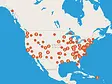
Find Your Section 106 Success Story
Want to make the case for how important Section 106 is to your community? Explore success stories from our community and our partners: Advisory Council on Historic Preservation, National Trust for Historic Preservation, National Council of State Historic Preservation Officers, Preservation Action, National Preservation Partners Network, the National Alliance of Preservation Commissions, and National Association of Tribal Historic Preservation Officers.
New case studies are being added on a rolling basis. Submit yours today. (If you experience technical difficulties with the form, you may email your information to forum@savingplaces.org. Please follow the prompts and wordcount on the form if emailing.)
Experience this map in a separate tab.
“The ACHP’s proposed changes to Section 106 will eviscerate the preservation of our shared civic and cultural heritage in the United States.”
Brent Leggs, President and CEO of the National Trust for Historic Preservation
Some of the most disturbing aspects of the proposed changes include:
- Federal agencies will no longer be required to try to avoid or minimize damage to America’s historic architecture, neighborhoods, and landscapes.
- State and local governments will no longer have the right to be notified or have the opportunity to comment when federal agencies propose to damage or destroy historic places within their jurisdiction.
- The public’s opportunity to comment on federal historic preservation policies or actions would now be entirely optional, at the discretion of the federal agency.
- The federal government will no longer be required to consult with Tribal communities or seek their expertise regarding their own significant cultural resources.
- Significant cultural landscape features would no longer be considered historic properties, so federal agencies would no longer be required to take into account any adverse effects to significant places such as the Grand Canyon.
- Federal agencies would no longer be required to consider the reasonably foreseeable consequences of their actions on historic properties, other than direct actions that physically damage the properties.
- These regulations are inconsistent with the National Historic Preservation Act and would violate the Council’s own rules and procedures.
- The proposed changes are also internally inconsistent and riddled with errors, likely to cause enormous regulatory confusion and chaos.
Stay connected with us via email. Sign up today.
Section 106 Stories
-
Section 106 Under Threat Find Your Section 106 Success Story -
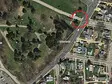
Section 106 Under Threat Old Woman Truss Bridge & Berry House -
Section 106 Under Threat Drive to Prosperity: Manufacturing Drive and Bluff Boulevard