Action Fund's Preserving Black Churches Program Awards $13.5 Million in Preservation Funding
The African American Cultural Heritage Action Fund, a division of the National Trust for Historic Preservation, has awarded $8.5 million in grants to 33 historically Black churches through its fourth annual Preserving Black Churches (PBC) program grant round.
This latest investment follows $5 million in grants awarded on Martin Luther King Jr. Day to five churches, underscoring the Action Fund’s sustained commitment to protecting sacred places that anchor Black faith, culture, democracy, and community.
Together, the MLK Day awards and this latest round of PBC grants represent a total investment of $13.5 million to date in 2026 for the preservation, stewardship, and long-term sustainability of historically Black churches—one of the most significant commitments in the program’s history.
Read the full list of this year's PBC grantees below. To explore over 170 historically Black churches supported by the Action Fund to date, and how they represent themes across architecture, civil rights, descendant communities, and more, visit the Action Fund's interactive StoryMap.
Mapping Historically Black Churches
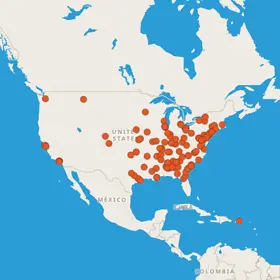
Learn more about all the historically Black churches in the Action Fund's portfolio in this interactive StoryMap.
Capital Projects
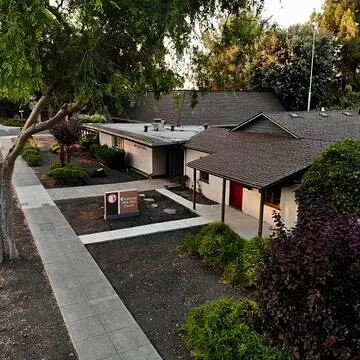
University AME Zion Church
Palo Alto, California
University AME Zion Church, founded in 1918, is the oldest continuously operating historically Black church in California’s Silicon Valley. It became a haven and spiritual refuge for Black families migrating to Palo Alto during the Great Migration. Funding will support urgent structural and architectural preservation of the church’s1965 mid-century modern campus and its 1920s-era Little House.
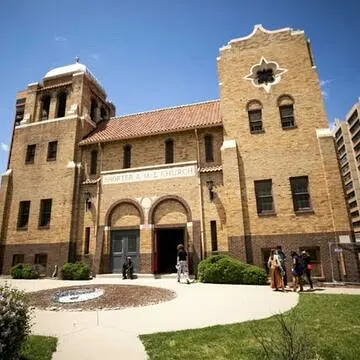
Shorter AME Church (Cleo Parker Robinson Dance)
Denver, Colorado
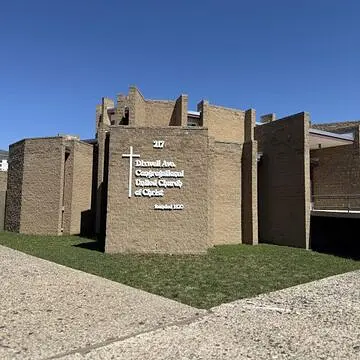
Dixwell Avenue Congregational United Church of Christ
New Haven, Connecticut
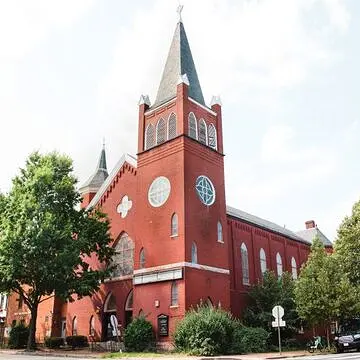
Third Baptist Church (Church of the Advent Anglican)
Washington, DC
Third Baptist Church was officially founded in 1858 and is among the oldest historically Black Baptist churches in Washington D.C. It was designed by Calvin T.S. Brent, who is recognized as the first professionally trained Black architect in the District. He designed several grand churches, rowhouses, and homes in the city. Funding will support addressing water infiltration and deterioration of the building’s original historic materials.
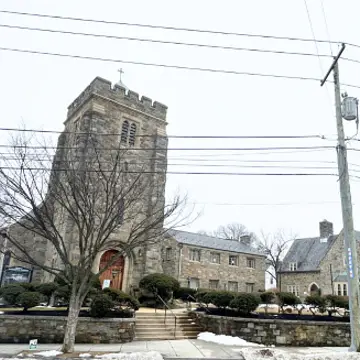
Trinity Episcopal Church (DC Trinity Development Corporation)
Washington, DC
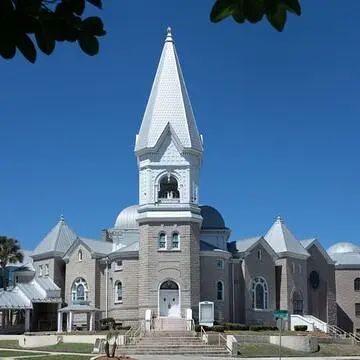
Bethel Baptist Institutional Church
Jacksonville, Florida
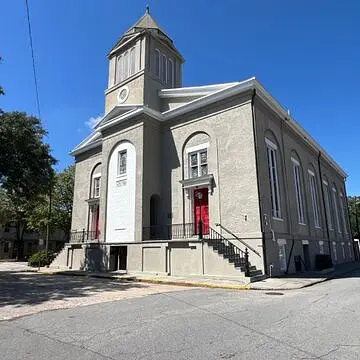
First African Baptist Church
Savannah, Georgia
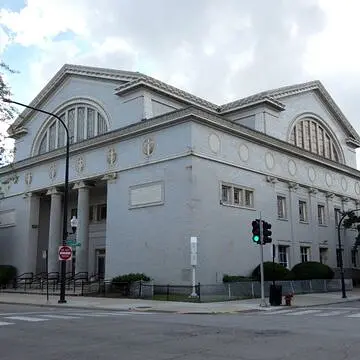
Metropolitan Missionary Baptist Church
Chicago, Illinois
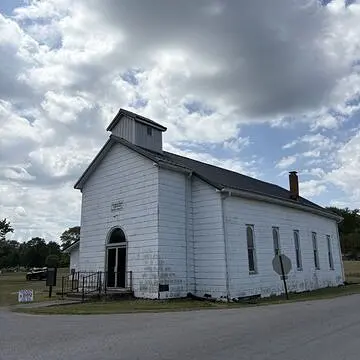
Wayman Chapel AME Church
Princeton, Indiana
Freedom seekers traveling through Lyles Station, Indiana via the Underground Railroad were given a choice to stay or continue their journey North. The Black community that was formed there built Wayman Chapel in 1886. The church building is currently sinking, and funding will help with structural repairs and stabilizing its foundation.
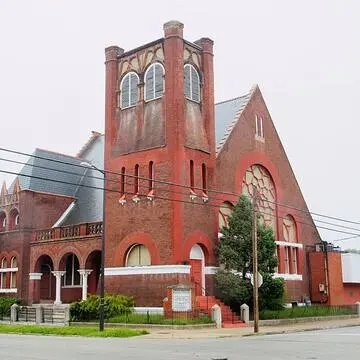
Fifth Street Baptist Church
Louisville, Kentucky
Founded 1829, Fifth Street Baptist Church is one of the oldest historically Black congregations in the state of Kentucky. During the 19th century, the church served as a social support hub for Louisville’s Black residents, some of whom were formerly enslaved. From its active role in the Civil Rights Movement to now, the church has continued to advocate for community support and civic engagement. Funding will support repairs and upgrades to the masonry, electrical system, windows, and flooring for the bell tower.
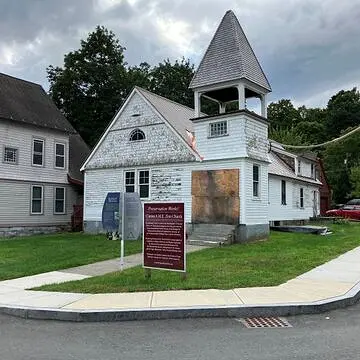
Clinton AME Zion Church (The W.E.B Du Bois Center for Freedom and Democracy)
Great Barrington, Massachusetts
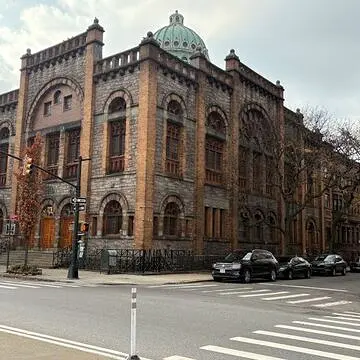
Mt. Morris Ascension Presbyterian Church
Harlem, New York
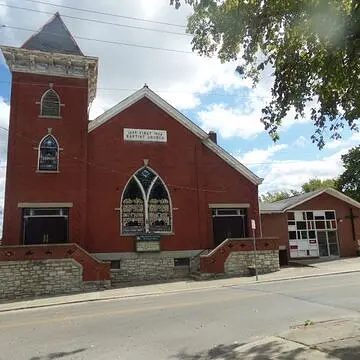
First Baptist Church of Walnut Hills
Cincinnati, Ohio
Since 1908, First Baptist Church of Walnut Hills has served as a prominent pillar of Cincinnati’s Black community. It was central to civil and women’s civil rights activism, and as a religious and classical music performance venue. Funding will support urgent repairs from water damage, masonry repairs, roof repairs, and interior restorations that will make areas of the church usable again.
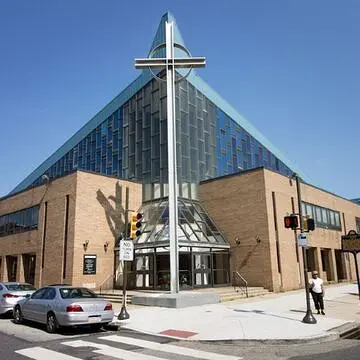
Zion Baptist Church
Philadelphia, Pennsylvania
Designed by noted Black architect Walter R. Livingston, Jr. in 1973, the Modernist-style Zion Baptist Church is known for its association with civil rights activist Rev. Leon Sullivan. The church has experienced significant water damage, prompting the need for funding to replace deteriorating roofs and restore the church gym, which will serve as a safe civic space for the community’s youth.
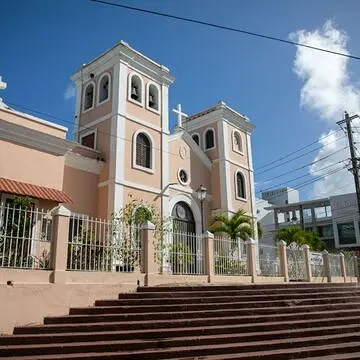
Iglesia San Mateo de Cangrejos (Cathlolic Extension Society)
San Juan, Puerto Rico
The Iglesia San Mateo de Cangrejos is a symbol of Afro-Puerto Rican identity and heritage. Built in 1832 by a community founded by free Black people, freedom-seekers and migrants from nearby Caribbean islands, this Catholic church has served as a safe haven and sacred site for generations. It was damaged during Hurricane Maria in 2017, and funding is now needed to support the restoration and repair of its chapel and parish house.
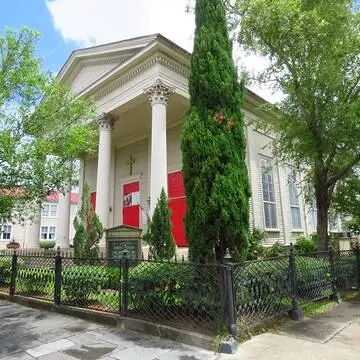
St. Mark's Episcopal Church
Charleston, South Carolina
Founded by Charleston’s free Black community in 1865, St. Mark’s Episcopal Church was the first Protestant Episcopal Church established independently by African Americans in South Carolina. Funding will support stabilizing truss-bearing posts and replacing deteriorating exterior elements.
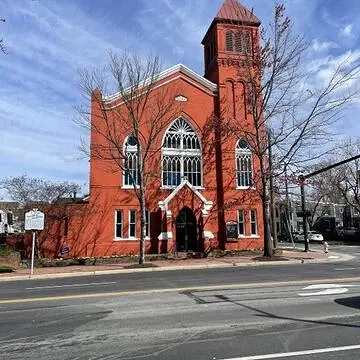
Shiloh Baptist Church
Alexandria, Virginia
Shiloh Baptist Church was founded in 1863. Its current building, completed in 1893, has been a cornerstone of Old Town Alexandria's Black community through significant events in American history, including the Civil War, Emancipation, and the Civil Rights Movement. Funding will be used to repair the girders and roof joists and to help stabilize the church’s balcony.
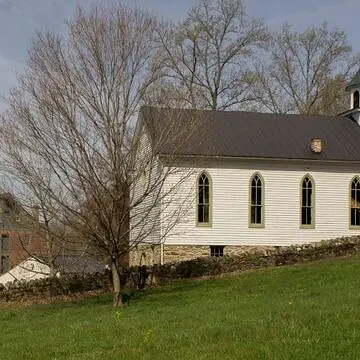
John Wesley Community Church (Waterford Foundation, Inc)
Waterford, Virginia
A testament to the skilled Black craftspeople in Waterford, the John Wesley Community Church was built by members of its congregation in 1891. Over the past several decades, the Waterford Foundation and former members of the congregation have been working to restore the building for public programming and interpretation. Funding will support the restoration of historic interior and architectural features.
Endowment & Financial Sustainability
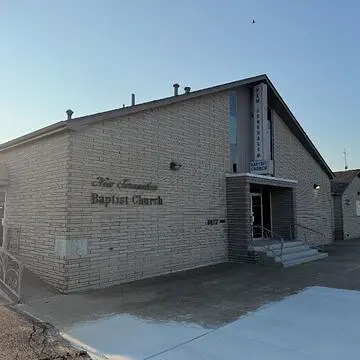
New Jerusalem Baptist Church
Tulsa, Oklahoma
New Jerusalem Baptist Church was established in 1956 by survivors of the 1921 Tulsa Race Massacre and their descendants. The church’s current worship center was completed in 1967. For decades, the church has served as a hub for religious activities, community engagement, and social service programs. Grant funding will serve as a match for the church’s efforts to fundraise for a preservation endowment to support the church’s maintenance and long-term stewardship.
Organizational Capacity Building
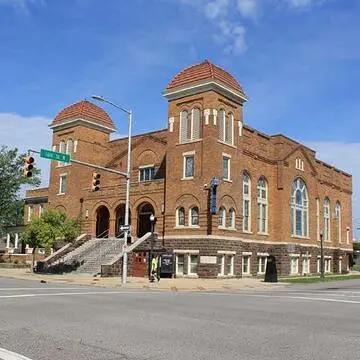
Sixteenth St. Baptist Church
Birmingham, Alabama
The 16th Street Baptist Church, established in 1873, is a global symbol of the Civil Rights Movement. Its iconic building, designed by Wallace Rayfield, the nation’s second licensed Black architect, survived a tragic bombing in 1963 driven by racial hatred. Grant funding will be used to hire a Director of Development and support implementation of a preservation endowment and fundraising campaign. These efforts will ensure the church is maintained to the highest standards and will enhance its religious, civic, and educational contributions to the community.
Programming & Interpretation
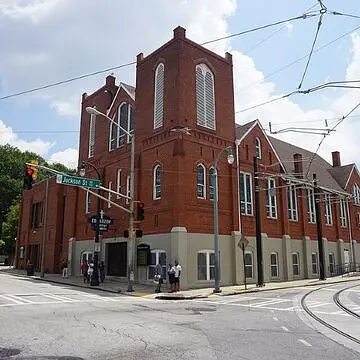
Ebenezer Baptist Church (Student Conservation Association)
Atlanta, Georgia
Ebenezer Baptist Church, located in Atlanta's Sweet Auburn neighborhood, was constructed in 1922. It is the church where Rev. Martin Luther King Jr. was baptized as a child and later became a prominent preacher. The church also hosted meetings that led to the formation of the Southern Christian Leadership Conference in 1957. Funding will support a graduate fellow in designing an interpretative and educational tour titled "Preserving the Oral History Tour of Ebenezer Church."
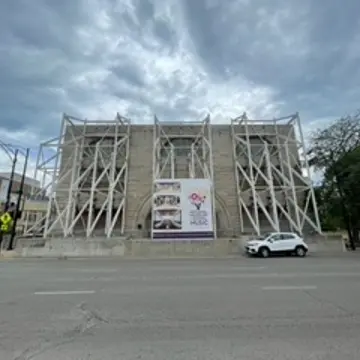
Pilgrim Baptist Church
Chicago, Illinois
Pilgrim Baptist Church, initially constructed in 1890 as a synagogue, became home to a Black congregation in 1921. It is considered the birthplace of gospel music and was where Thomas Andrew Dorsey, a.k.a. “The father of Black Gospel music” served as the church’s music director for decades. Funding will support interpretive programming exploring Pilgrim’s influence on music history.
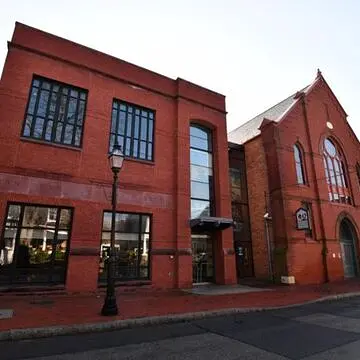
Mt. Moriah AME Church (Banneker-Douglas-Tubman Museum Foundation)
Annapolis, Maryland
Built in 1875, the Mt. Moriah African Methodist Episcopal Church building served as the meeting place for the First African Methodist Episcopal Church for over a century. The site is the state of Marland’s official museum of African American history, ultimately becoming the Banneker-Douglass-Tubman Museum in 1984. Grant funding will support the museum’s Sacred Spaces Artist-in-Residency program, which invites local creatives to interpret the site’s 150-year legacy of community organizing.
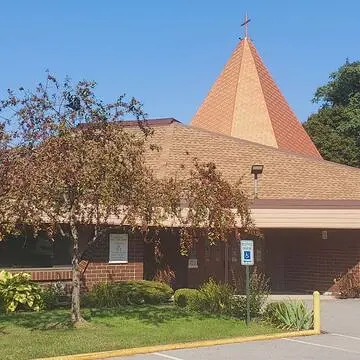
Memorial AME Zion Church
Rochester, New York
Founded in 1827 and connected to Rochester’s Underground Railroad, the current Memorial AME Zion Church was constructed in 1975. Its history is associated with historical figures such as Harriet Tubman, Frederick Douglass, and Susan B. Anthony. As it prepares to celebrate its 200th anniversary, grant funding will assist the active church in documenting and interpreting its significant history through guided tours, oral histories, and digital engagement projects.
Project Planning
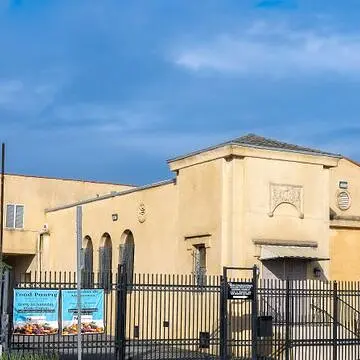
New Congregational Missionary Baptist Church
Los Angeles, California
The New Congregational Missionary Baptist Church is housed in a sanctuary built in 1927, designed by the renowned Black architect Paul R. Williams. In 1968, church leaders relocated the building from Venice to Los Angeles, and it remains a significant example of architectural achievement and community stewardship. The grant will support a planning project to guide rehabilitation of the historic church building.
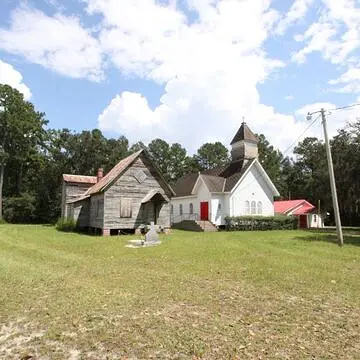
Good Shepherd Episcopal Church (Episcopal Diocese of Georgia)
Brunswick, Georgia
Good Shepherd Episcopal Church is notable for its association with teacher and Deaconess Anna Alexander, who was the first Black ordained deaconess in the Episcopal Church. In 1902, the church opened a one-room schoolhouse to serve the African American children in the Pennick community. Alexander also spearheaded efforts to build a dedicated sanctuary for the church, which was completed in 1934. This planning grant will fund a preservation plan and construction drawings for the rehabilitation of the Good Shepherd Episcopal School.
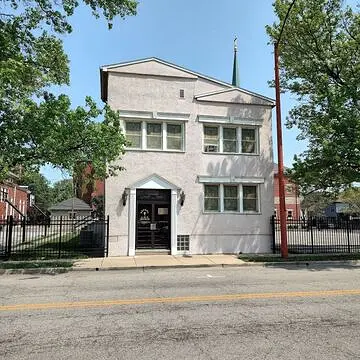
Bethel African Methodist Episcopal Church
Lafayette, Indiana
Bethel African Methodist Episcopal Church, founded in 1846, is the oldest Black church in Tippecanoe County and has long served as a center for education, community building, and civic activism. The congregation established the city’s first school for Black children and hosted abolitionist leaders while also supporting Black Union soldiers and local organizing efforts. This grant will fund a historic structures report to guide long-term preservation.
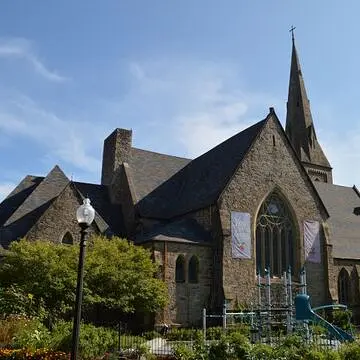
Union United Methodist Church
Boston, Massachusetts
Union United Methodist Church has a rich history as a center of faith and activism in Boston, dating back to 1796 when Black worshippers initially gathered within a segregated congregation. They later formed an independent church under the leadership of Rev. Samuel Snowden. The grant will support a preservation planning project and a comprehensive strategic plan to guide the congregation’s maintenance of the building and the church’s long-term sustainability.
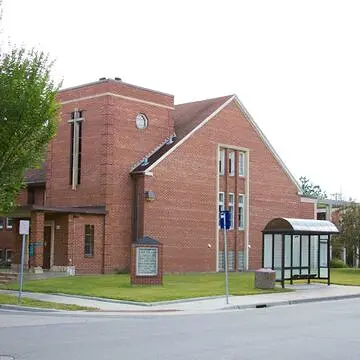
St. Peter's AME Church
Minneapolis, Minnesota
St. Peter’s AME Church, founded in 1880, is the third-oldest Black congregation in Minnesota. Built during an era of redlining and segregation, the church has long served as a spiritual and cultural anchor for the surrounding community as the neighborhood has evolved over time. Grant funding will support a preservation planning project to prepare for needed capital improvements.
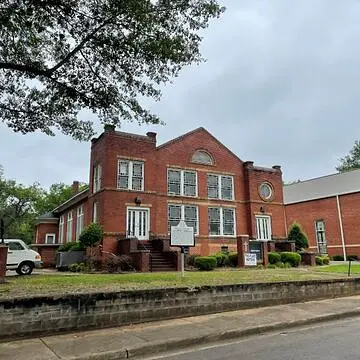
Historic Spring Hill Missionary Baptist Church
Tupelo, Mississippi
Historic Spring Hill Missionary Baptist Church, established in 1887, is the oldest standing historically Black church in Tupelo. Its sanctuary, built around 1921, became a gathering place for civil rights organizing, hosting notable activist and veteran Medgar Evers. A grant will support a planning project designed to develop stewardship strategies for the currently vacant historic church building.
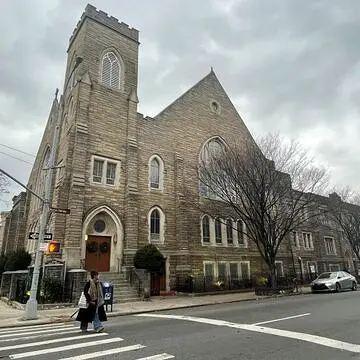
Bethany Baptist Church
Brooklyn, New York
Bethany Baptist Church has been a cornerstone of the Bedford-Stuyvesant community since 1924. Over the years, it has developed into a nationally recognized center for faith-based leadership. The congregation actively participates in initiatives focused on affordable housing and economic development in Brooklyn. This grant will help fund the planning and assessment phase for roof repairs, building and window restoration, and future capital projects.
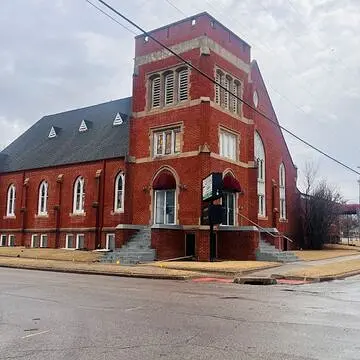
Allen Chapel A.M.E. Church
Oklahoma City, Oklahoma
Founded in 1902, Allen Chapel A.M.E. Church is one of the oldest and most significant historically Black congregations in Oklahoma City. It serves as a central figure in the community's religious life, culture, and resilience. The grant will support a planning project to guide the future preservation and rehabilitation of this historic church.
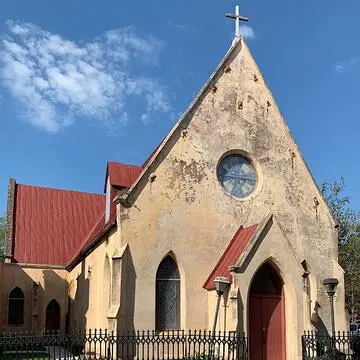
St. John's Reformed Episcopal Church
Charleston, South Carolina
St. John’s Reformed Episcopal Church was built in 1850 and has strong ties to Black craftsmanship in Charleston, notably as the home church of the renowned blacksmith Philip Simmons. The grant will fund repairs to address masonry damage and water infiltration, helping to stabilize and repair this historic structure.