5 Tips on Advocating for Section 106
In July 2026, the Advisory Council on Historic Preservation (ACHP) advanced a sweeping and damaging proposal to rewrite the regulations for Section 106 of the National Historic Preservation Act (NHPA). Brent Leggs, the National Trust for Historic Preservation’s President and CEO said, “The ACHP’s proposed changes to Section 106 will eviscerate the preservation of our shared civic and cultural heritage in the United States.”
So, what can grassroots advocates do now to contest this regulatory proposal? How can you make the best case about why this re-write matters locally to your elected officials?
Below are 5 tips on how to advocate and push back against these damaging changes.
1. Understand Impacts of the Proposed Changes to Section 106
The revisions to the Section 106 Regulations are complicated and so our “Section 106 Under Threat” page provides the latest news, along with several resources geared to help advocates understand why it is important to make your voice heard about these revisions.
- Read the One Pager (PDF)
- Read the Frequently Asked Questions
- Section 106: Myth vs. Facts
- Watch the Webinars
- July 30: Section 106 Regulations Under Threat
- August 12: Technical Complexities of Proposed Section 106 Changes.
- August 24: Guidance for Advocates
Also read:
Forget the East Wing, The Real Demolition Has Only Just Begun by Paul Goldberger (New York Times, August 9, 2026).
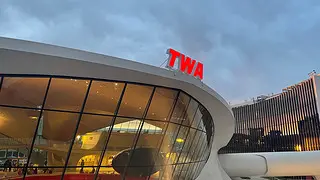
photo by: Anuraag Baxi
Detail view of the entrance of the TWA Hotel which is now thriving, in part, due to the success of the Section 106 consultation process.
2. Identify Your Case Studies
It’s important to personalize messaging for your specific audience, whether it’s to your Member of Congress, Governor, or submitting public comments to agencies. There are two types of case studies that you should collect: past success stories and hypothetical situations to demonstrate the potential impacts of the proposed changes on historic and cultural resources.
Success Stories
- Look for examples in your community where the Section 106 process resulted in a positive outcome.
- Highlight how the proposed changes to the regulations would have impacted the outcome of this particular case study.
- Use clear non-technical language wherever possible.
- Choose at least one compelling image.
For examples of Section 106 Success Stories read Chicago’s North Main Line, TWA Terminal, Milwaukee Soldiers Home.
Hypotheticals
- Something that is increasingly important to emphasize to our elected officials, and the broader community, is how regulation changes will affect historic spaces, neighborhoods, and people going forward.
- Look around your neighborhood, town, and city. What places hold meaning to you? What impact would a data center, a cell phone tower, or a highway have on those historic places?
- Put these scenarios into words. In my town, there is _____. If the federal agency decided to build a _____, they would be able to do so without working with those who live, work, and play in these places. This would be devastating to the community because _____. Please oppose these regulatory changes. For example you might describe how a data center being built adjacent to a battlefield with no consideration for its visual impacts would negatively impact tourism to the historic place.
Use the map below to explore success stories from our community and our partners: Advisory Council on Historic Preservation, National Trust for Historic Preservation, National Council of State Historic Preservation Officers, Preservation Action, National Preservation Partners Network, the National Alliance of Preservation Commissions, and National Association of Tribal Historic Preservation Officers. New case studies are being added on a rolling basis. Submit yours today.
What other information might help you make the case? Check out our 5 Tips on Communicating with Elected Officials.
Experience this map in a separate tab.
Stay connected with us via email. Sign up today.
3. Take Action
Your insights and stories help make the case for why preservation matters to our history and the future we share. In recognition and celebration of our nation’s 250 years, we are setting an ambitious goal of sending 250,000 letters to our elected officials. Use the case studies you have gathered as you:
- Write to your governor
- Write to your members of Congress
- Schedule an in-person meeting with your Mayor, City Council members, and in-district offices of your members of Congress
Check out Why Site Visits for Elected Officials Matter—5 Tips on How to Make Them Count and 5 Tips for Nonprofit Lobbying and Avoiding Political Campaign Intervention as you plan your strategy to reach out to your elected representatives.
.webp)
photo by: David Wilson via Wikimedia CC BY 2.0
As part of the Section 106 review process for Chicago’s North Main Line, the Chicago Transit Authority brought together the community for a number of different public meetings, like this one in 2011.
4. Spread the Word
The proposed changes to Section 106 regulations are complicated. When sharing about this work with a friend or professional community, or when reaching out to the press by writing a letter to the editor, add concrete examples to help them understand why changes to the Section 106 Regulations are so important for all Americans.
Tell a Friend (or your local history and preservation groups) about why this matters. We need every single person who loves where they live to speak up against these changes. Do you live in a historic neighborhood? Frequent historic businesses downtown? Walk along trails at historic parks? These changes have the potential to impact those places and more. Sharing potential impacts with those you know will make a difference.
Write an Op-Ed or a letter to the editor. A primary way of sharing and discussing the benefits of historic preservation and bringing the stories of historic sites, neighborhoods, or buildings to life is by engaging local media outlets. Explore our quick primer on writing on an op-ed or LTE for this issue.
Share on Social Media
- Pick a place – You can pull from Success Stories or Hypotheticals but pick a place that has meaning to you or your community.
- Make it personal – Historic places connect us to our past, present, and future. Share the story of what this place means to you, why you love it, and why it’s important to the community. Explain what would be lost if this place no longer existed.
- Use a visual – Including a photo or visual element will help bring the place, and your story, to life. (Note if you plan on using AI for the visuals make sure you are transparent when you do).
- Call to action – End your post with a call to action by linking to this guide or to our Section 106 page. Ask people to share their own stories and contact their elected officials.
Some examples of social media posts: Instagram (@The Preservation Peach), Instagram (@mgm_preservation), LinkedIn (Shina duVall). Keep in mind that if you adapt someone else’s social media format, make sure to tag the original author so as to provide appropriate credit.
Work in partnership with others who care about historic places. Build a local advocacy coalition with a variety of partners such as environmental nonprofits, Main Street organizations, and preservation consultants to jointly express concern. More on how you can do that in 5 for 5: Tips for Building and Joining an Advocacy Coalition.
5. Stay Updated
The timeline for the review process of proposed changes to the regulations is uncertain. It is important that you stay up to date on what is happening. We encourage you to follow the National Trust and others working together to address this threat.
Organizations to Follow:
While this toolkit specifically addresses the proposed regulatory changes by the ACHP, broader permitting reform discussions are underway on Capitol Hill that are expected to include a review of the NHPA’s Section 106 consultation process. Explore this recent piece from the National Trust’s Government Relations team.
Save Historic Places That Tell Our Full American Story
When you join the National Trust, you help save historic and culturally significant places nationwide.