Gordon Drive Viaduct and Bacon Creek Conduit Reconstruction
A community-submitted Section 106 success story in Sioux City, Iowa.
The 1936 Gordon Drive Viaduct and the original South Bacon Creek Conduit, completed in 1910, are significant historic structures that are eligible for the National Register of Historic Places. The viaduct carries Gordon Drive across Sioux City’s railroad and industrial corridor. The proposed reconstruction will replace the deteriorating viaduct and portions of the conduit system. It will also affect two eligible archaeological sites. While removal of the viaduct and some effects to the sites could not be avoided, the Section 106 consultation process determined how the project will mitigate damage to these and other historic properties.
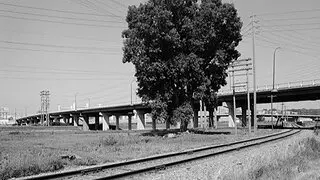
photo by: Library of Congress
The Gordon Drive Viaduct, originally called the Grand Avenue Viaduct, carries traffic through Sioux City.
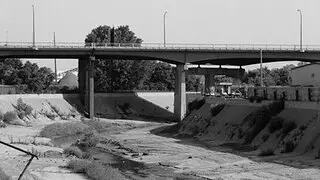
photo by: Library of Congress
An alternative view of the Gordon Drive Viaduct, which was originally constructed in 1936.
During consultation, the Iowa State Historic Preservation Office (SHPO) questioned an initial finding that a railroad district was not eligible for the National Register. Further evaluation examined the potential Sioux City Rail Yards and Industrial Historic District and recognized additional places that were contributing properties to the district. A review of alternatives for the historic South Bacon Creek Conduit led to a plan to close it while leaving it almost entirely intact, resulting in a No Adverse Effect finding.
The Federal Highway Administration (FHWA), Iowa Department of Transportation (DOT), and Iowa State Historic Preservation Office (SHPO) signed an agreement requiring an architectural survey of the potential district, a plan for archaeological data recovery, and construction protections for nearby historic buildings, including preconstruction condition surveys and vibration monitoring, with work required to stop if damage occurs. The completed district survey will be shared with Sioux City’s Historic Preservation Commission, and consulting tribes and nations will have opportunities to review the archaeological work.
The Section 106 consultation process distinguished unavoidable losses from those that could be avoided or minimized while allowing the transportation project to proceed.
What Would Have Been Lost
Without the Iowa State Historic Preservation Office's review, this historic district might have been dismissed before its contributing resources were fully assessed. Without consultation about the South Bacon Creek Conduit, an alternative plan that leaves the original structure in place might never have been selected. Nearby historic buildings would likely have lacked the agreement’s enforceable vibration limits and stop-work requirements. While the viaduct and two archaeological sites will still be adversely affected, the consultation process secured protections, documentation, and archaeological research that will remain useful after construction.
Visit Section 106 Under Threat for more success stories, information, and to take action.