Micron Semiconductor Project
A community-submitted Section 106 Success Story in Syracuse, New York
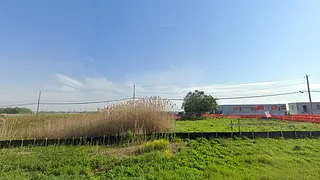
photo by: Google Street View
The location of the future Micron Semiconductor in Syracuse, New York.
The construction of the Micron Semiconductor Project in Syracuse, New York triggered Section 106 as federal funding was requested through the CHIPS and Science Act of 2022.
The site is the ancestral homeland of the Haudenosaunee people, a subgroup of the Northern Iroquois. A number of archaeological sites of the Haudenosaunee are located in the vicinity of this project. Europeans arrived in the 16th century, and by the late 1700s more permanent settlements were founded.
Consultation with tribal nations began in 2022. The Onondaga Nation has been extensively involved in the project from the beginning. In 2025, a Programmatic Agreement (PA) between the Department of Commerce (DOC), U.S. Army Corps of Engineers (USACE), the Onondaga Nation and several other parties was established to ensure that the Nation is involved in all archaeological testing and groundbreaking activities.
The PA establishes procedures for archaeological testing and construction, consultation with tribal nations, and archaeological monitoring with the Onondaga Nation. The PA requires that all persons involved in the project undertake a cultural sensitivity training and that any discoveries during archaeological testing or construction are treated with respect.
What Would Have Been Lost
The site is the ancestral homeland of the Haudenosaunee people, a subgroup of the Northern Iroquois. The construction of the Micron Semiconductor Project triggered Section 106 as federal funding was requested through the CHIPS and Science Act of 2022. If the proposed revisions by the Advisory Council on Historic Preservation in July 2026 were in effect at the time of this project both USACE and DOC could have bypassed the consultation (specifically tribal consultation) requirements that made this project successful.
The partnership between DOC, USACE, and the Onondaga Nation was a critical component of this project that has made it successful.
Visit Section 106 Under Threat for more success stories, information, and to take action.