
Preservation and Climate Action
By bringing old buildings into the future through reuse and retrofitting, we can reduce carbon emissions and conserve resources. And by adapting historic places to withstand increasing climate-related impacts—from sea level rise, storms, and floods to drought and wildfire—we can help historic communities become more resilient.
The National Trust for Historic Preservation works with partners across the country to advance practical solutions, support innovative projects, and share research and lessons that help communities protect the historic places they value.
Understanding Climate Change
Climate change presents growing challenges for historic places and the communities that value them. Understanding these risks and the role of preservation in addressing them is an important first step toward taking action.

photo by: Pat Bonish - Bonish Studio, Cedar Key
Projects and Resources
- Preservation Is Climate Action: Nine Ways to Make a Difference
- Getting the Words Right: A Glossary of Climate Terms
- Preservation is Climate Action: Case Studies for the 2023 Future Leaders Climate Summit
- Understanding Climate Change (2021 PastForward Session)
- Preservation, Sustainability, and Equity (Issues in Preservation Policy)
Building Climate Resilience
Historic places face increasing threats from flooding, wildfires, severe storms, and other climate hazards. Through projects, partnerships, and practical guidance, the National Trust is helping communities prepare for these risks and protect historic places for the future.
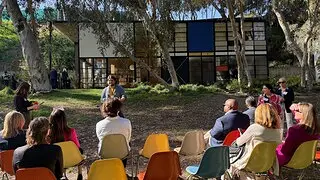
photo by: Seri Worden
Travelers Across America
Travelers Across America is a partnership between the National Trust and Travelers supporting resilience projects at historic places across the country, including projects addressing wildfire, flooding, hurricanes, and severe storms. Explore three key lessons from the first year of the partnership.
Additional Projects and Resources
- National Mall Tidal Basin in Washington, DC
- Preserving Legacies: Supporting Climate Adaptation for Global Heritage Sites
- A New Guide to Climate Resiliency in Charleston, South Carolina
Reducing Carbon Through Preservation
Reusing and improving existing buildings can significantly reduce carbon emissions and conserve resources. The National Trust advances research, tools, and policies that demonstrate how preservation can contribute to a more sustainable built environment.
Using the CARE Tool to Calculate Carbon Savings from Reuse
The Carbon Avoided: Retrofit Estimator (CARE Tool) helps users estimate the carbon emissions associated with reusing and retrofitting existing buildings compared with replacing them with new construction.
Stay connected with us via email. Sign up today.
Green Stories
-
Travelers Across America 3 Lessons on Putting Resilience into Practice at Historic Places -
Preservation and Climate Action Preservation Is Climate Action: Nine Ways to Make a Difference -
Preservation and Climate Action Preserving Legacies: Supporting Climate Adaptation for Global Heritage Sites



Historic property owners face distinct challenges in responding to climate- and weather-related disasters. While they can rely to a certain extent on local, city, and state agencies to provide post-disaster services, they are ultimately responsible for their own properties. These resources can help building owners respond quickly and effectively to minimize property damage and ensure a safe return home.
Learn how to prepare for—and recover from—a natural disaster.
Read More