Guide
8 Historic Sites to Explore in Chicago
By Emma Peters
Riddled with architectural innovations and preservation history, Chicago boasts movable bridges, extensive alleyways, and historic sites galore. Modern preservation efforts in the city gained momentum in the 1960s, when Chicagoans fought, unsuccessfully, to preserve the Garrick Theater (formerly the Schiller Theater Building), designed by Dankmar Adler and Louis Sullivan. A decade later, this loss deepened when the Chicago Stock Exchange building, also designed by Adler and Sullivan, was demolished despite public protest.
That demolition helped spur the founding of Landmarks Illinois to protect significant historic and architectural sites statewide. In 2001, Preservation Chicago was established to expand preservation efforts within the city.
The National Trust for Historic Preservation supports this mission, helping to safeguard Chicago’s landmarks and cultural heritage. Next time you’re in the Windy City, consider visiting one of its historic sites listed below. If you’re interested in architecture and design, stop by the Chicago Architecture Center, a nonprofit organization and museum dedicated to exploring the significance of design.
-
Stay connected with us via email. Sign up today.
-
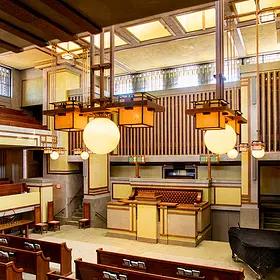
Photo By: Matthew Gilson
Unity Temple
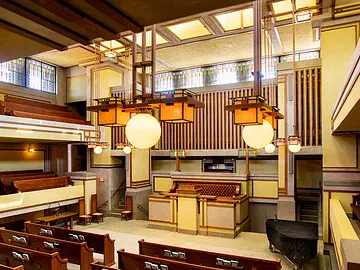
Designed by Frank Lloyd Wright, Unity Temple is the last surviving public building from his prolific Prairie period. Built in 1908, its unusual form and materials influenced modern architecture. After decades of deterioration and deferred maintenance, funding for a restoration project was secured through a private foundation and grassroots efforts by the congregation. The building reopened in 2017 after restoration was completed, and in 2019 it was designated a UNESCO World Heritage Site. Today, it is an active church that welcomes visitors.
Learn More
-
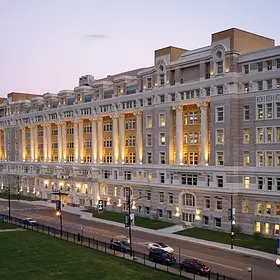
Photo By: Dave Burk at SOM
Old Cook County Hospital
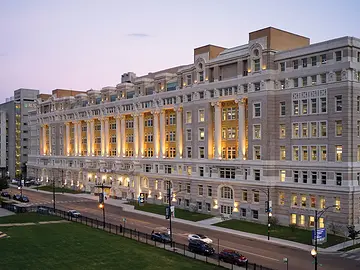
Built in 1914, Old Cook County Hospital is a 550-foot-long Beaux-Arts building. Originally a pioneering site of medical innovation and education, the hospital served Chicago’s most vulnerable residents, including immigrants, people experiencing poverty, and victims of the AIDS crisis in the 1980s. The hospital closed in 2002, and the site reopened in 2021 as a mixed-use development that includes a Hyatt hotel, office space, and a forthcoming medical history museum. Visitors can explore the iconic building by wandering the public spaces of the Hyatt hotel now housed inside.
Learn More
-
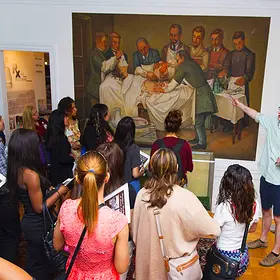
Photo By: International Museum of Surgical Science
International Museum of Surgical Science
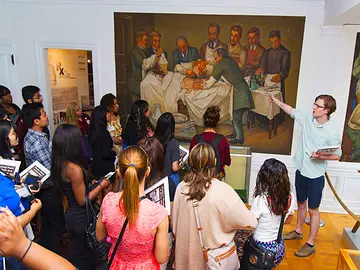
The International Museum of Surgical Science was originally the Eleanor Countiss House. Built in 1917 by architect Howard Van Doren Shaw, the site was modeled on Le Petit Trianon in Versailles. The Countiss family later sold the residence to the International College of Surgeons, who transformed it into a museum. It opened to the public in 1954 and today features exhibits, artifacts, and artworks spanning medical and surgical history from ancient times to the present.
Learn More
-
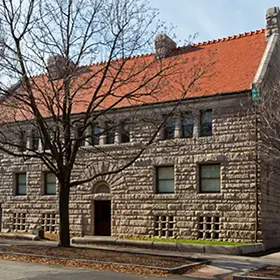
Photo By: Glessner House
Glessner House
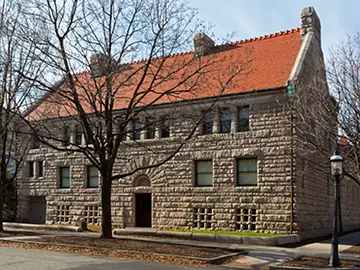
Glessner House, designed by architect Henry Hobson Richardson, was built in 1887. A Richardsonian Romanesque structure, it marked a sharp departure from the typical Victorian house of the time. Its modern, functional look inspired other architects, including Frank Lloyd Wright, Mies van der Rohe, and Louis Sullivan. Today, the house is a museum that preserves much of the Glessner family’s original furniture and art, including pieces by artists William De Morgan and William Morris.
Learn More
-
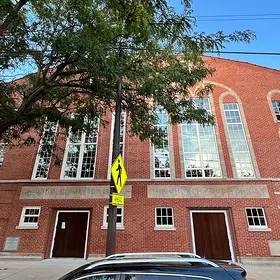
Photo By: Berglund Construction
Roberts Temple Church of God in Christ
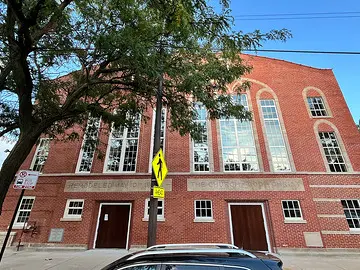
Built in 1922, Roberts Temple is one of three sites that make up the Emmett Till and Mamie Till-Mobley National Monument. In 1955, Mamie Till-Mobley’s decision to hold an open-casket funeral at the church for her son, Emmett Till, drew national attention to racial violence in the United States, igniting the Civil Rights Movement. Today, the church is leading a restoration effort with the Emmett Till and Mamie Till-Mobley Institute, supported by the African American Cultural Heritage Action Fund and the Mellon Foundation. While the church is not open to the public, visitors may view its exterior and learn more about its history at Pullman National Historic Park.
Learn More
-
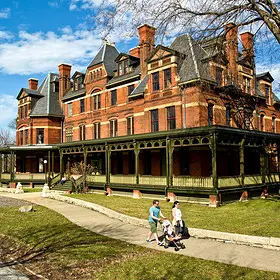
Photo By: Cynthia Lynn
Pullman National Historical Park
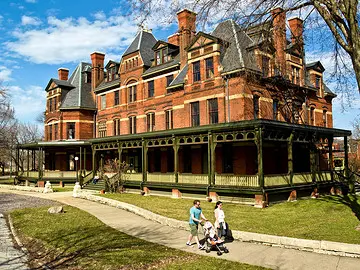
Built in 1880, this 300-acre complex was designed by architects Solon S. Beman and Nathan Barrett for industrialist George Pullman, who sought to attract skilled workers to his company. In 1894, Pullman’s company laid off workers and reduced wages without lowering rent costs, leading to one of the most significant labor strikes in American history. The strike contributed to legislation establishing Labor Day as a federal holiday. In 2015, President Barack Obama designated the site as Pullman National Monument. The site’s visitor center opened Labor Day weekend in 2021.
Learn More
-
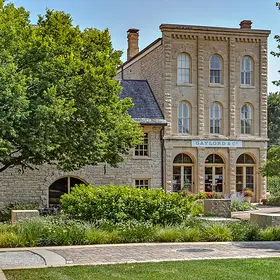
Photo By: Gaylord Building
The Gaylord Building
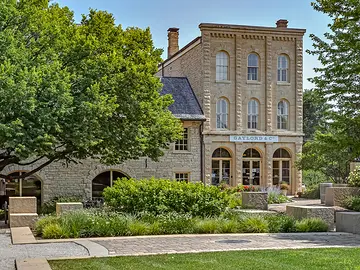
A National Trust Historic Site, the Gaylord Building played a vital role in the development of the Illinois and Michigan Canal in the 1800s. Constructed in 1838 as a limestone warehouse for canal construction materials, the building later housed a variety of commercial ventures, including a granary and a print shop. It closed in the 1980s and was rehabilitated, reopening in 1987. Today it houses a museum, art gallery, event space and restaurant.
Learn More
-
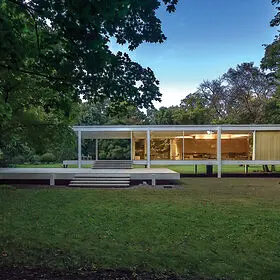
Edith Farnsworth House
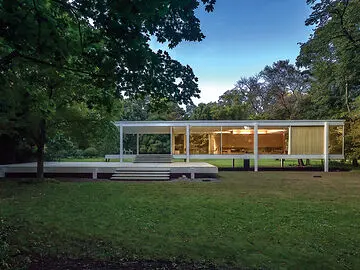
A National Trust Historic Site, the Edith Farnsworth House was designed by architect Ludwig Mies van der Rohe between 1946 and 1951. It served as a weekend retreat for prominent Chicago nephrologist, musician, and translator Dr. Edith Farnsworth. Constructed of glass and steel, the house is considered a masterpiece of the International Style, with one-third of its annual visitors coming from outside the United States. It is a National Historic Landmark and has been open to the public since 2004.
Learn More
Stay connected with us via email. Sign up today.
Emma Peters is an associate manager at the National Trust for Historic Preservation. A history graduate, she is constantly humbled by the ways past lives and societies have shaped how we experience the present.
8 Historic Sites to Explore in Chicago
-
1
Unity Temple
Designed by Frank Lloyd Wright, Unity Temple is the last surviving public building from his prolific Prairie period. Built in 1908, its unusual form and materials influenced modern architecture. After decades of deterioration and deferred maintenance, funding for a restoration project was secured through a private foundation and grassroots efforts by the congregation. The building reopened in 2017 after restoration was completed, and in 2019 it was designated a UNESCO World Heritage Site. Today, it is an active church that welcomes visitors. -
2
Old Cook County Hospital
Built in 1914, Old Cook County Hospital is a 550-foot-long Beaux-Arts building. Originally a pioneering site of medical innovation and education, the hospital served Chicago’s most vulnerable residents, including immigrants, people experiencing poverty, and victims of the AIDS crisis in the 1980s. The hospital closed in 2002, and the site reopened in 2021 as a mixed-use development that includes a Hyatt hotel, office space, and a forthcoming medical history museum. Visitors can explore the iconic building by wandering the public spaces of the Hyatt hotel now housed inside. -
3
International Museum of Surgical Science
The International Museum of Surgical Science was originally the Eleanor Countiss House. Built in 1917 by architect Howard Van Doren Shaw, the site was modeled on Le Petit Trianon in Versailles. The Countiss family later sold the residence to the International College of Surgeons, who transformed it into a museum. It opened to the public in 1954 and today features exhibits, artifacts, and artworks spanning medical and surgical history from ancient times to the present. -
4
Glessner House
Glessner House, designed by architect Henry Hobson Richardson, was built in 1887. A Richardsonian Romanesque structure, it marked a sharp departure from the typical Victorian house of the time. Its modern, functional look inspired other architects, including Frank Lloyd Wright, Mies van der Rohe, and Louis Sullivan. Today, the house is a museum that preserves much of the Glessner family’s original furniture and art, including pieces by artists William De Morgan and William Morris. -
5
Roberts Temple Church of God in Christ
Built in 1922, Roberts Temple is one of three sites that make up the Emmett Till and Mamie Till-Mobley National Monument. In 1955, Mamie Till-Mobley’s decision to hold an open-casket funeral at the church for her son, Emmett Till, drew national attention to racial violence in the United States, igniting the Civil Rights Movement. Today, the church is leading a restoration effort with the Emmett Till and Mamie Till-Mobley Institute, supported by the African American Cultural Heritage Action Fund and the Mellon Foundation. While the church is not open to the public, visitors may view its exterior and learn more about its history at Pullman National Historic Park. -
6
Pullman National Historical Park
Built in 1880, this 300-acre complex was designed by architects Solon S. Beman and Nathan Barrett for industrialist George Pullman, who sought to attract skilled workers to his company. In 1894, Pullman’s company laid off workers and reduced wages without lowering rent costs, leading to one of the most significant labor strikes in American history. The strike contributed to legislation establishing Labor Day as a federal holiday. In 2015, President Barack Obama designated the site as Pullman National Monument. The site’s visitor center opened Labor Day weekend in 2021. -
7
The Gaylord Building
A National Trust Historic Site, the Gaylord Building played a vital role in the development of the Illinois and Michigan Canal in the 1800s. Constructed in 1838 as a limestone warehouse for canal construction materials, the building later housed a variety of commercial ventures, including a granary and a print shop. It closed in the 1980s and was rehabilitated, reopening in 1987. Today it houses a museum, art gallery, event space and restaurant. -
8
Edith Farnsworth House
A National Trust Historic Site, the Edith Farnsworth House was designed by architect Ludwig Mies van der Rohe between 1946 and 1951. It served as a weekend retreat for prominent Chicago nephrologist, musician, and translator Dr. Edith Farnsworth. Constructed of glass and steel, the house is considered a masterpiece of the International Style, with one-third of its annual visitors coming from outside the United States. It is a National Historic Landmark and has been open to the public since 2004.
-
1
Unity Temple
Designed by Frank Lloyd Wright, Unity Temple is the last surviving public building from his prolific Prairie period. Built in 1908, its unusual form and materials influenced modern architecture. After decades of deterioration and deferred maintenance, funding for a restoration project was secured through a private foundation and grassroots efforts by the congregation. The building reopened in 2017 after restoration was completed, and in 2019 it was designated a UNESCO World Heritage Site. Today, it is an active church that welcomes visitors. -
2
Old Cook County Hospital
Built in 1914, Old Cook County Hospital is a 550-foot-long Beaux-Arts building. Originally a pioneering site of medical innovation and education, the hospital served Chicago’s most vulnerable residents, including immigrants, people experiencing poverty, and victims of the AIDS crisis in the 1980s. The hospital closed in 2002, and the site reopened in 2021 as a mixed-use development that includes a Hyatt hotel, office space, and a forthcoming medical history museum. Visitors can explore the iconic building by wandering the public spaces of the Hyatt hotel now housed inside. -
3
International Museum of Surgical Science
The International Museum of Surgical Science was originally the Eleanor Countiss House. Built in 1917 by architect Howard Van Doren Shaw, the site was modeled on Le Petit Trianon in Versailles. The Countiss family later sold the residence to the International College of Surgeons, who transformed it into a museum. It opened to the public in 1954 and today features exhibits, artifacts, and artworks spanning medical and surgical history from ancient times to the present. -
4
Glessner House
Glessner House, designed by architect Henry Hobson Richardson, was built in 1887. A Richardsonian Romanesque structure, it marked a sharp departure from the typical Victorian house of the time. Its modern, functional look inspired other architects, including Frank Lloyd Wright, Mies van der Rohe, and Louis Sullivan. Today, the house is a museum that preserves much of the Glessner family’s original furniture and art, including pieces by artists William De Morgan and William Morris. -
5
Roberts Temple Church of God in Christ
Built in 1922, Roberts Temple is one of three sites that make up the Emmett Till and Mamie Till-Mobley National Monument. In 1955, Mamie Till-Mobley’s decision to hold an open-casket funeral at the church for her son, Emmett Till, drew national attention to racial violence in the United States, igniting the Civil Rights Movement. Today, the church is leading a restoration effort with the Emmett Till and Mamie Till-Mobley Institute, supported by the African American Cultural Heritage Action Fund and the Mellon Foundation. While the church is not open to the public, visitors may view its exterior and learn more about its history at Pullman National Historic Park. -
6
Pullman National Historical Park
Built in 1880, this 300-acre complex was designed by architects Solon S. Beman and Nathan Barrett for industrialist George Pullman, who sought to attract skilled workers to his company. In 1894, Pullman’s company laid off workers and reduced wages without lowering rent costs, leading to one of the most significant labor strikes in American history. The strike contributed to legislation establishing Labor Day as a federal holiday. In 2015, President Barack Obama designated the site as Pullman National Monument. The site’s visitor center opened Labor Day weekend in 2021. -
7
The Gaylord Building
A National Trust Historic Site, the Gaylord Building played a vital role in the development of the Illinois and Michigan Canal in the 1800s. Constructed in 1838 as a limestone warehouse for canal construction materials, the building later housed a variety of commercial ventures, including a granary and a print shop. It closed in the 1980s and was rehabilitated, reopening in 1987. Today it houses a museum, art gallery, event space and restaurant. -
8
Edith Farnsworth House
A National Trust Historic Site, the Edith Farnsworth House was designed by architect Ludwig Mies van der Rohe between 1946 and 1951. It served as a weekend retreat for prominent Chicago nephrologist, musician, and translator Dr. Edith Farnsworth. Constructed of glass and steel, the house is considered a masterpiece of the International Style, with one-third of its annual visitors coming from outside the United States. It is a National Historic Landmark and has been open to the public since 2004.